Buying Guide
Best Hyaluronic Acid Serums UK
Looking for the best hyaluronic acid serum in the UK? Hyaluronic acid, often shortened to HA, is a humectant ingredient widely used in skincare. HA serums are positioned for hydration across morning and evening routines, with options ranging from budget single-ingredient serums through to multi-weight formulas from pharmacy and premium skincare brands. This page compares seven HA serum options available on Amazon UK, looking at formula type, supporting ingredients, skin type fit and how each one sits within a routine.
Comparing by formula and supporting ingredients: compare The Ordinary Hyaluronic Acid 2% + B5 for a budget HA + B5 serum in a water based format. Compare The INKEY List Hyaluronic Acid Serum for a straightforward 2% HA serum at a budget position. Compare CeraVe Hydrating Hyaluronic Acid Serum for an HA plus ceramides plus vitamin B5 formula. Compare Neutrogena Hydro Boost Hydrating Serum for a HA focused serum from a high street brand. Compare La Roche-Posay Hyalu B5 Serum for a multi-weight HA plus B5 option from a pharmacy brand. Compare Medik8 Hydr8 B5 for a premium multi-weight HA + B5 serum in a dropper format. Compare Vichy Minéral 89 Booster for a HA plus polyglutamic acid booster with Vichy mineral water.
Products to Compare
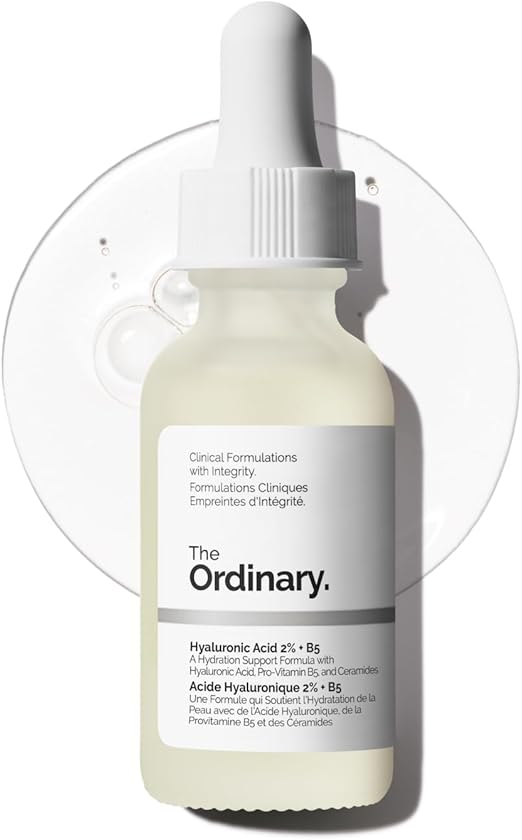
The Ordinary Hyaluronic Acid 2% + B5
Check latest details on Amazon UK
A budget HA + B5 serum at 2% concentration. The formula combines low, medium and high molecular weight hyaluronic acid with vitamin B5 (panthenol), positioned for hydration support. The texture is water based and lightweight, with a fragrance free ingredient list. The Ordinary also lists a higher concentration HA option and a supersize HA + B5 option for shoppers comparing size and price points. This is one of the most widely compared HA serums in the UK market.
Compare for: a budget 2% HA + B5 serum in a water based format with multi-weight HA.
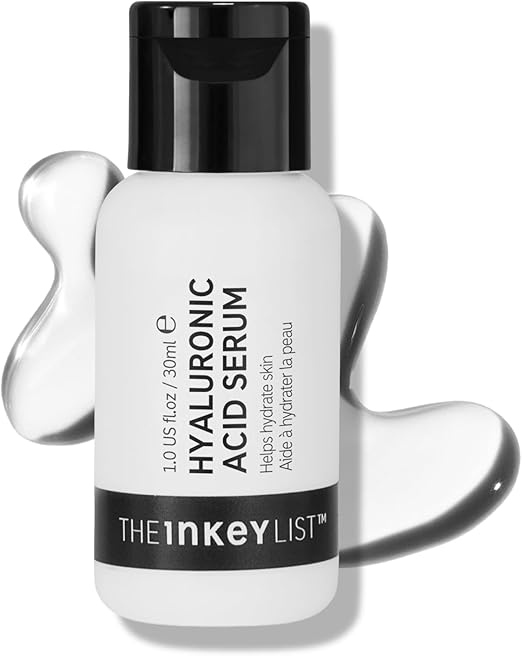
The INKEY List Hyaluronic Acid Serum
Check latest details on Amazon UK
A straightforward 2% HA serum positioned for hydration. The INKEY List is a UK born skincare brand with an ingredient focused approach, and the formula is one of the simpler HA serum options in this comparison, without the added actives seen in some other products in the guide. The lightweight texture and 30ml format are similar to other budget options. For a broader explainer on what HA serums are and how to compare them, see the Hyaluronic Acid UK guide.
Compare for: a straightforward 2% HA serum with a lightweight texture from a UK born brand.
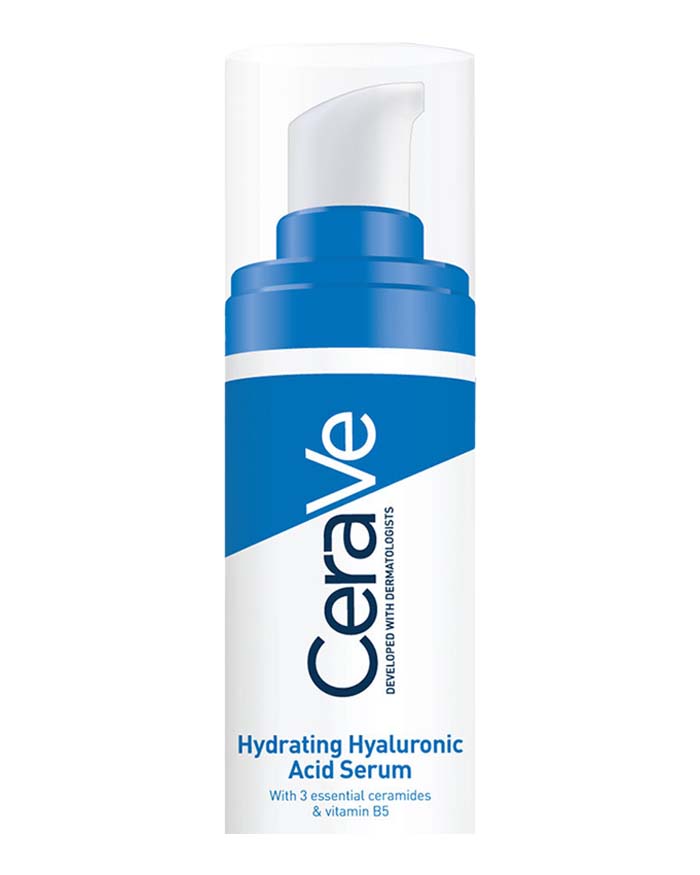
CeraVe Hydrating Hyaluronic Acid Serum
Check latest details on Amazon UK
A HA + ceramides + B5 formula from CeraVe, developed with dermatologists. The combination adds three essential ceramides and vitamin B5 alongside hyaluronic acid, with the brand's MVE technology for gradual release. The texture is a gel cream serum, which sits between a watery serum and a thicker cream. The 30ml size matches the budget options above, though the price point is generally higher. Check the current listing for the full ingredient list and any updates to the formula before buying.
Compare for: a HA + ceramides + B5 serum from a dermatology focused brand in a gel cream texture.
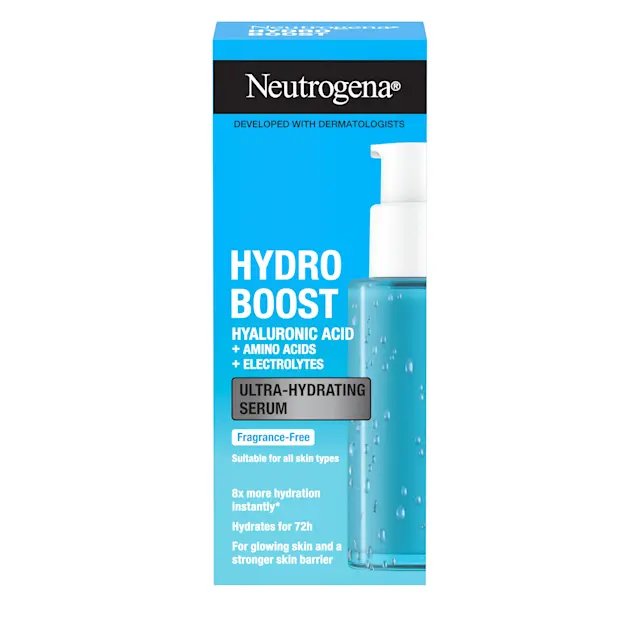
Neutrogena Hydro Boost Hydrating Serum
Check latest details on Amazon UK
A HA focused serum from the Neutrogena Hydro Boost range. The product is positioned as a fragrance free, non-comedogenic HA serum in a dropper format. The wider Hydro Boost range includes gel cream moisturisers, mists and a separate niacinamide variant for shoppers comparing across the line. The 30ml size is the same as the budget options in this guide. Check the current listing for the full ingredient list and the listed HA concentration before buying.
Compare for: a HA focused serum from a high street brand in a 30ml dropper format.
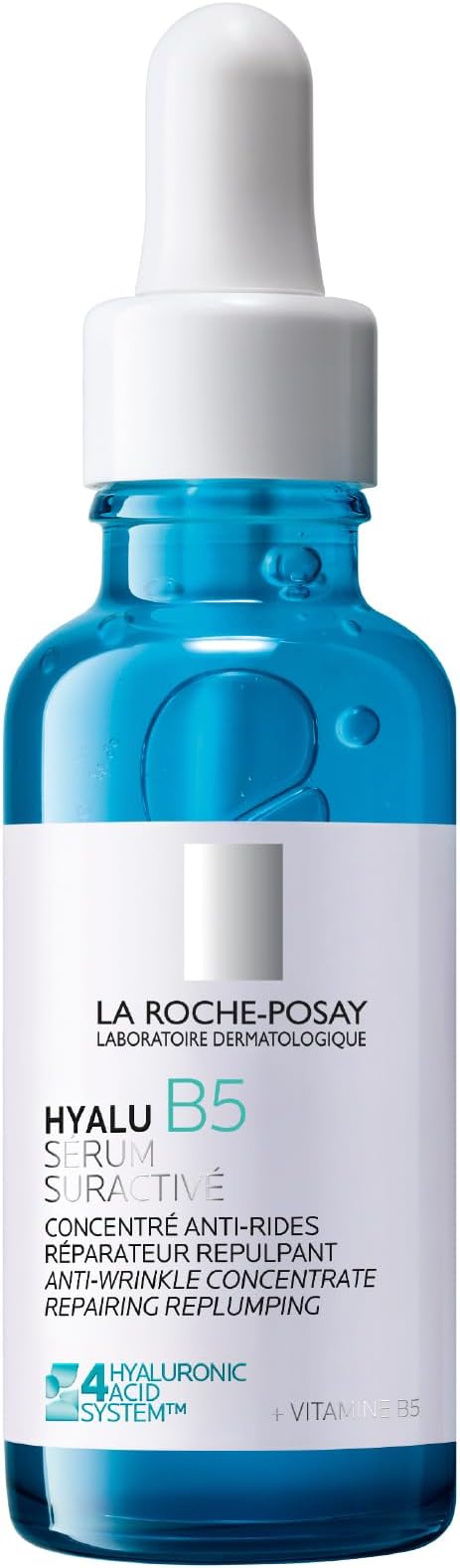
Check latest details on Amazon UK
A multi-weight HA + B5 serum from La Roche-Posay, currently listed as the Hyalu B5 Suractivated formulation. The product uses a four type hyaluronic acid system with vitamin B5 and the brand's thermal spring water, positioned for hydration support with an anti-wrinkle label claim. The 30ml dropper format is shared with other products in the La Roche-Posay serum range. The price point sits above the budget options and is generally higher than the CeraVe option above.
Compare for: a four type HA + B5 serum with thermal spring water from a pharmacy brand.
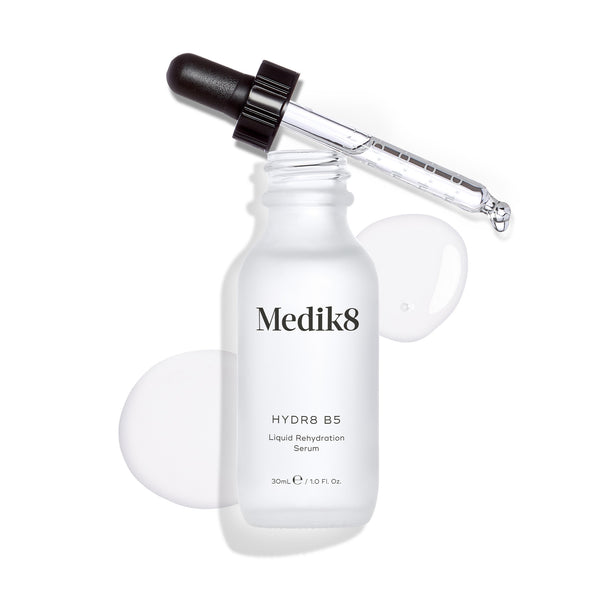
Check latest details on Amazon UK
A multi-weight HA + B5 serum from Medik8, a UK based professional skincare brand. The formula combines multi-weight hyaluronic acid with vitamin B5 (panthenol) in a simple water based serum, with a fragrance free ingredient list. The Medik8 range also includes a more concentrated Hydr8 B5 Intense option for shoppers comparing across the line. The 30ml size matches the other serums in this guide, though the price point is the highest of the multi-weight HA options listed here.
Compare for: a premium multi-weight HA + B5 serum from a UK professional skincare brand.
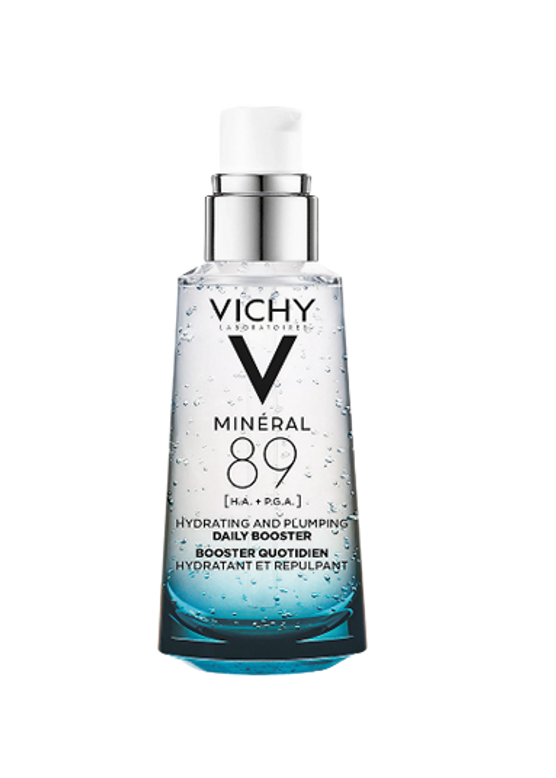
Check latest details on Amazon UK
A HA booster serum from Vichy, positioned as a hydrating step that can be layered with other serums or moisturisers. The current formula combines hyaluronic acid with polyglutamic acid in a base of Vichy volcanic mineral water, listed at 89% concentration. The texture is a lightweight gel that absorbs quickly. The 50ml format is the largest in this guide, which is one practical point to compare against the 30ml options above. Check the listing for any updates to the ingredient list or size options before buying.
Compare for: a HA + polyglutamic acid booster with Vichy mineral water in a 50ml format.
Comparison
| Product | Format | Key label detail | Compare for | Check |
|---|---|---|---|---|
| The Ordinary Hyaluronic Acid 2% + B5 | Water based serum, 30ml | 2% multi-weight HA + vitamin B5 | Budget HA + B5 serum | Check latest details on Amazon UK |
| The INKEY List Hyaluronic Acid Serum | Lightweight serum, 30ml | 2% HA, simple ingredient list | Straightforward 2% HA serum | Check latest details on Amazon UK |
| CeraVe Hydrating Hyaluronic Acid Serum | Gel cream serum, 30ml | HA + 3 ceramides + vitamin B5, MVE technology | HA + ceramides + B5 from a dermatology focused brand | Check latest details on Amazon UK |
| Neutrogena Hydro Boost Hydrating Serum | Dropper serum, 30ml | HA focused, fragrance free, non-comedogenic | HA focused serum from a high street brand | Check latest details on Amazon UK |
| La Roche-Posay Hyalu B5 Serum | Dropper serum, 30ml | 4 type HA system + vitamin B5 + thermal spring water | Multi-weight HA + B5 from a pharmacy brand | Check latest details on Amazon UK |
| Medik8 Hydr8 B5 | Dropper serum, 30ml | Multi-weight HA + vitamin B5, simple base | Premium multi-weight HA + B5 from a UK brand | Check latest details on Amazon UK |
| Vichy Minéral 89 Booster | Lightweight gel booster, 50ml | HA + polyglutamic acid + 89% Vichy mineral water | HA + polyglutamic acid booster in 50ml format | Check latest details on Amazon UK |
What to Check Before Buying
Concentration: HA serums are commonly listed at 0.1% to 2% in the UK market. A 2% concentration is common across the budget options in this guide. Higher listed concentrations are not always available, and the feel of the product depends as much on the formula and base as on the percentage. Check the label for the exact concentration rather than relying on the brand name alone.
Molecular weight: some HA serums describe a multi-weight system that combines low, medium and high molecular weight hyaluronic acid. Multi-weight formulas are positioned for hydration at different skin levels, though the practical difference depends on the formula and supporting ingredients. Check the listing for the molecular weight information and supporting details before choosing.
Supporting ingredients: vitamin B5 (panthenol) is the most common addition to an HA serum, listed in five of the seven products in this guide. Ceramides appear in the CeraVe option, and polyglutamic acid appears in the Vichy option. If a routine already includes these ingredients in a moisturiser or another serum, comparing the combined ingredient list is one approach to avoid overlap.
Format and texture: HA serums range from thin watery liquids through to slightly thicker gel or gel cream textures. The texture affects how the serum feels on application and how quickly it absorbs. Layering an HA serum under a heavier moisturiser is the most common placement, and the texture of the HA serum affects how the two products sit together.
Brand positioning: HA serums are available at budget price points, mid range pharmacy brands and premium professional skincare ranges. Brand positioning affects price, formulation philosophy and the supporting ingredient list. Comparing brand positioning alongside concentration and supporting ingredients is one approach to narrowing the choice.
Fragrance and skin tolerance: most HA serums in this guide are fragrance free, but individual sensitivities vary. If the routine is for sensitive or reactive skin, checking the full ingredient list on the current listing is worth doing, particularly for any added fragrance, essential oil or drying alcohol.
How to Use Hyaluronic Acid Serum
HA serums are typically applied to clean skin after cleansing and toning, before heavier serums or moisturiser. Many product labels and brand guidance discuss applying an HA serum to slightly damp skin, as the humectant ingredient is positioned for hydration by drawing water into the upper skin layers.
A small amount is usually enough. Two to four drops is a common amount for a face and neck application, depending on the dropper and the texture of the serum. The serum can be pressed or patted into the skin rather than rubbed, though product instructions vary. Check brand guidance for the specific product chosen.
Frequency depends on the routine. HA serums are commonly used both morning and evening, though some routines use them once daily or alternate days. Check the product label for the brand's recommended application frequency.
Layering an HA serum under a moisturiser helps seal in the hydration step. Some routines also layer an HA serum over a hydrating toner or under a face oil. The order depends on the rest of the routine, and checking each product's instructions is worth doing before building a layered routine.
If pregnant, breastfeeding, using prescription skincare, taking regular medication or managing a diagnosed skin condition, check with a GP, pharmacist, midwife, dermatologist or qualified prescriber before adding a new active serum to the routine.
Hyaluronic Acid vs Other Hydrating Ingredients
Hyaluronic acid vs glycerin: both are humectant ingredients commonly used in skincare. Glycerin is a more established humectant and is often listed lower on ingredient lists because it is used at higher concentrations. HA serums are positioned for hydration as a more targeted step. Some products combine both ingredients.
Hyaluronic acid vs squalane: squalane is an emollient rather than a humectant, and it works by softening the skin rather than drawing water into it. The Ordinary offers an HA plus squalane option for routines that want to combine the two ingredient types. Squalane sits more comfortably over an HA serum in a layered routine than under it.
Hyaluronic acid vs ceramides: ceramides are lipid ingredients often discussed for skin barrier support. The CeraVe option in this guide combines HA with ceramides, and the broader CeraVe moisturiser range also includes ceramides. Comparing a single HA serum against a HA + ceramide formula is one way to choose between a straightforward hydrating step and a barrier supportive option.
Hyaluronic acid vs panthenol (vitamin B5): panthenol is often discussed for hydration and barrier support. Five of the seven products in this guide include vitamin B5 alongside HA, which is one of the most common pairings in the UK market. If the routine already includes a B5 focused product, comparing the combined ingredient list is one approach.
Layering with Other Actives
HA + niacinamide: HA serums are commonly layered with niacinamide serums. The Best Niacinamide Serums UK guide covers niacinamide options, and combining the two is one of the most common layering patterns in UK routines.
HA + retinol: HA serums are often layered with retinol because the hydrating step can sit alongside an evening retinol step. The Best Retinol Serums UK guide covers retinol options, and the Retinol for Beginners guide covers introduction steps for new routines.
HA + vitamin C: HA serums and vitamin C serums are commonly discussed in the same routine. The Best Vitamin C Serums UK guide covers vitamin C options. The two serums are generally well tolerated together, and the Ingredient Compatibility Checker can be used to check a specific combination.
HA + azelaic acid: HA serums can sit alongside azelaic acid serums in a routine. The Best Azelaic Acid Serums UK guide covers azelaic options. Layering order depends on the texture of each product and the brand guidance for each one.
HA + exfoliating acids (AHA, BHA): HA serums can be layered with exfoliating acids, often on different days or at different times of day. The Glycolic Acid Toners UK guide covers one exfoliating acid option. Checking the product label for layering guidance is worth doing before combining an HA serum with an active acid.
For a broader routine context, the Skincare Routine Builder can be used to map a simple morning and evening routine with an HA serum and other products.
Before You Buy
The Ordinary Hyaluronic Acid 2% + B5 is a budget multi-weight HA + B5 serum in a water based format. The INKEY List Hyaluronic Acid Serum is a straightforward 2% HA serum from a UK born brand. CeraVe Hydrating Hyaluronic Acid Serum combines HA with three ceramides and vitamin B5 in a gel cream texture. Neutrogena Hydro Boost Hydrating Serum is a HA focused serum from a high street brand in a 30ml dropper format. La Roche-Posay Hyalu B5 Serum is a four type HA + B5 option with thermal spring water from a pharmacy brand. Medik8 Hydr8 B5 is a premium multi-weight HA + B5 serum in a 30ml dropper format. Vichy Minéral 89 Booster is a HA + polyglutamic acid booster with Vichy mineral water in a 50ml format.
For a broader explainer of how HA serums work and what to compare beyond the product list, the Hyaluronic Acid UK guide covers the ingredient, formula types and routine fit. For context on related hydrating products, the Best Moisturiser for Dry Skin UK guide covers the moisturiser step that usually follows an HA serum, and the Best Moisturiser for Sensitive Skin UK guide covers the same step for sensitive skin preferences.
Check the current Amazon UK listing before buying any hyaluronic acid serum, particularly for the full ingredient list, listed concentration, application guidance and any updates to the formula. The Vichy Minéral 89 Booster listing may be updated to a newer polyglutamic acid formulation, and other listings may also be updated over time. Check the label on the product received before use.
Introduce new skincare gradually, particularly if the routine already includes active ingredients such as niacinamide, retinol, vitamin C or exfoliating acids. Check brand guidance and the product label before combining products, and reduce frequency if the skin shows signs of irritation. If spots, redness, irritation, pigmentation changes or breakouts are persistent, painful, scarring, spreading or worrying, speak with a GP, pharmacist, dermatologist or qualified prescriber.
Frequently Asked Questions
What does hyaluronic acid do in a serum?
Hyaluronic acid is a humectant ingredient that holds water. In a serum it is applied as a leave on step for hydration support. HA serums vary in concentration, molecular weight and supporting ingredients, and the practical feel of the product depends on the formula as a whole. The Hyaluronic Acid UK guide covers the ingredient in more detail.
Should HA serum be applied to damp or dry skin?
Brand guidance varies, but many HA serums are positioned for application to slightly damp skin, with a moisturiser layered over the top. Some labels suggest dry skin application, particularly for thicker gel cream formats. Check the product label for the specific product chosen.
Can HA serum be used with retinol or vitamin C?
HA serums are commonly layered with retinol and vitamin C serums in the same routine. The hydrating step generally sits comfortably alongside an active ingredient step, and many routines use HA in the morning and an active serum in the evening. The Ingredient Compatibility Checker can be used to check a specific combination.
How often should HA serum be used?
HA serums are commonly used once or twice daily, depending on the routine. Twice daily application is the most common pattern in UK routines. Check the brand's recommended application frequency on the current listing, particularly for thicker gel cream formats that can feel heavy with frequent use.
Is HA serum suitable for sensitive or blemish-prone skin?
HA is generally well tolerated across skin types, including sensitive and blemish-prone skin. The supporting ingredients and the formula base are the practical comparison points, particularly for serums that combine HA with fragrance, alcohol or other active ingredients. Check the full ingredient list and the brand's suitability notes on the listing before buying.
Free Skincare Tools
Build a routine that fits an HA serum with the rest of your skincare.