Buying Guide
Hyaluronic Acid Serums UK
Compare three hyaluronic acid serum formats for UK shoppers, including lightweight HA serums, HA plus B5 formulas and multi weight HA options. Use this page to compare format, supporting ingredients, routine fit and label guidance before checking the latest product details.
Note: Skincare advice here is general information. Check the product label and speak to a pharmacist, GP or dermatologist if you are unsure whether a product fits your routine.
- Lightweight HA serum: The INKEY List Hyaluronic Acid Serum
- HA plus B5: The Ordinary Hyaluronic Acid 2% + B5
- Multi ingredient serum: La Roche-Posay Hyalu B5 Serum
Hyaluronic Acid Serums to Compare
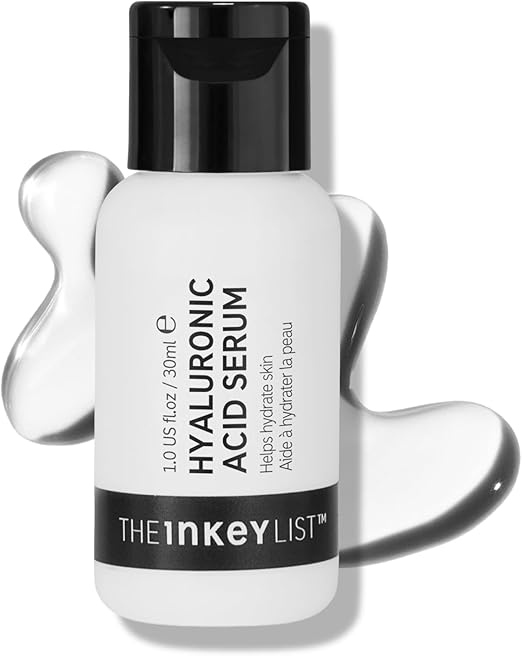
The INKEY List Hyaluronic Acid Serum
Check latest details on Amazon UK
The INKEY List Hyaluronic Acid Serum is a lightweight serum with 2% hyaluronic acid. The listing describes it for hydration positioning across different skin types. Check the product label before using, particularly if you are new to HA serums or have reactive skin.
Compare for: a lightweight 2% HA serum for basic hydration purposes. Skip if: you prefer a multi ingredient serum or one with additional supporting actives.
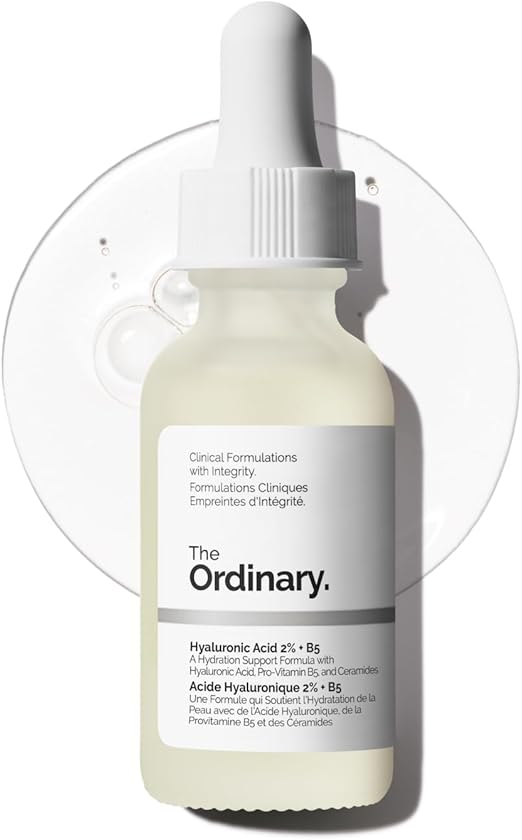
The Ordinary Hyaluronic Acid 2% + B5
Check latest details on Amazon UK
The Ordinary Hyaluronic Acid 2% + B5 is a serum combining 2% hyaluronic acid with vitamin B5. The listing describes it with hydration positioning. Check the product label before using, particularly if you have sensitive skin or are new to HA serums.
Compare for: a 2% HA serum with vitamin B5 for hydration positioning. Skip if: you prefer a lightweight HA serum without supporting actives or a different HA concentration.
Check latest details on Amazon UK
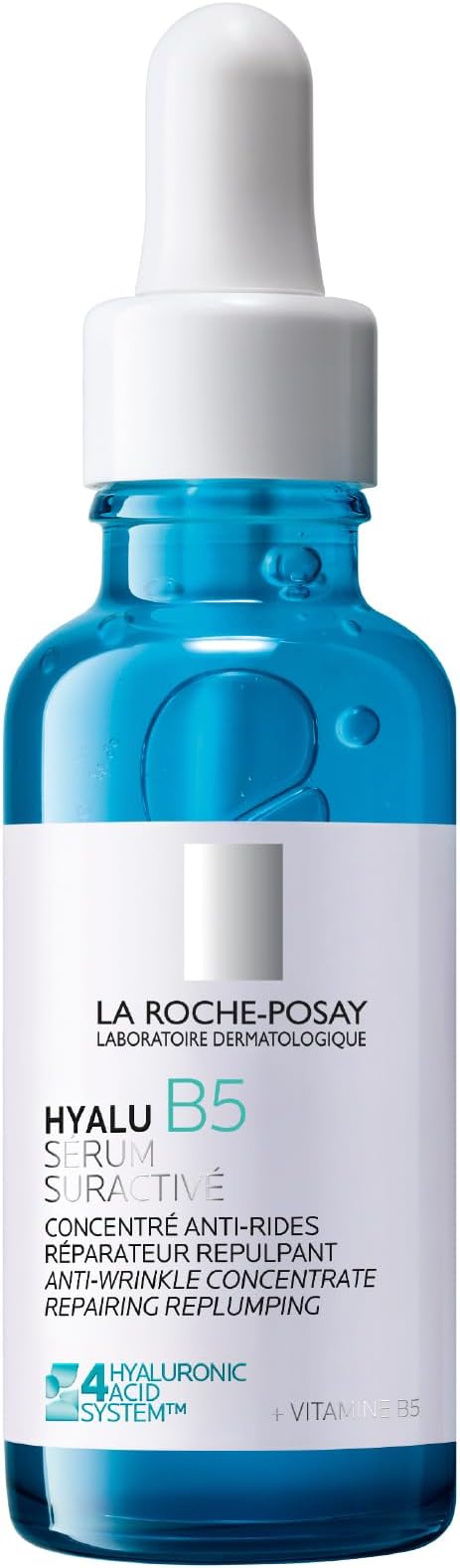
La Roche-Posay Hyalu B5 Serum uses a 4 type hyaluronic acid system with vitamin B5 and the brand's thermal spring water. The listing describes it with anti wrinkle positioning. Check the product label before using, particularly if you have sensitive skin or are new to multi ingredient HA serums.
Compare for: a multi ingredient HA serum with a 4 type hyaluronic acid system from a pharmacy brand. Skip if: you prefer a straightforward HA serum or one without supporting actives.
Comparison
| Product | Format | Key label detail | Compare for | Check |
|---|---|---|---|---|
| The INKEY List Hyaluronic Acid Serum | Lightweight HA serum, 30ml | 2% hyaluronic acid, hydration positioning | Lightweight 2% HA serum | Check latest details on Amazon UK |
| The Ordinary Hyaluronic Acid 2% + B5 | HA plus B5 serum, 30ml | 2% HA with vitamin B5, hydration positioning | 2% HA with vitamin B5 for hydration positioning | Check latest details on Amazon UK |
| La Roche-Posay Hyalu B5 Serum | Multi ingredient serum | 4 type HA system, vitamin B5, thermal spring water | Multi ingredient HA serum from pharmacy brand | Check latest details on Amazon UK |
What Hyaluronic Acid Serums Are
Hyaluronic acid, commonly abbreviated as HA, is commonly described as a humectant ingredient in skincare. In serum format, it is applied to the skin for hydration purposes. HA serums vary in concentration, molecular weight, and supporting ingredients, which affect how the formula is positioned and how it fits into a routine.
Hyaluronic acid serums are generally water based, lightweight liquids or gels applied after cleansing and before heavier layers such as moisturisers. They are used as leave on products rather than rinse off treatments.
Molecular Weight and Formula Notes
Molecular weight: hyaluronic acid is available in different molecular weights. Lower molecular weight HA is claimed by some brands to reach deeper layers, while higher molecular weight HA is commonly compared for surface feel. Products that combine multiple HA molecular weights are marketed around multi weight hydration positioning. Checking the product label for HA type and molecular weight details is one way to compare across options.
Concentration: HA serums range from around 0.1% to 2% or higher in formulation. Higher concentration does not automatically mean a better product for every skin type. Some formulations with lower concentrations may still be discussed for hydration depending on the overall formula. Comparing concentration alongside molecular weight and supporting ingredients is one approach.
Supporting ingredients: many HA serums include additional ingredients alongside hyaluronic acid. Vitamin B5 is a common addition, discussed for its hydrating and barrier supporting properties. Other supporting ingredients may include ceramides, niacinamide, or different humectants. These additions affect how the serum fits into a routine and whether it overlaps with other products already being used.
Formula texture: HA serums range from thin, watery liquids to slightly thicker gel textures. The texture affects how the product feels on application and how quickly it is described as absorbing. Thinner serums may be described as absorbing more quickly; gel textures may feel slightly more substantial. Routine placement depends on product instructions.
How to Compare Before Buying
HA concentration and type: compare the percentage and type of hyaluronic acid on the product label. Some listings specify molecular weight; others describe the HA system broadly. A 2% HA formula is a common concentration in UK market options.
Supporting ingredients: check what else is in the formula alongside HA. If you already use products with niacinamide, vitamin B5, or ceramides, compare whether another serum would duplicate ingredients already in the routine. Comparing what additional ingredients are included can help narrow the choice to products that fit the existing routine.
Format and texture: compare whether you prefer a lightweight watery serum or a gel texture. If you layer multiple products, the texture of an HA serum affects how it sits between a toner and a moisturiser. Some HA serums can feel slightly tacky before absorbing; others absorb quickly.
Brand and positioning: HA serums range from budget focused brands to pharmacy and premium ranges. Brand positioning affects price, formulation philosophy, and additional claims. Comparing brand heritage alongside product ingredients is one way to narrow the options.
Application guidance: check the product label for how much to use, how to layer it within a routine, and whether damp or dry skin application is mentioned. Some product labels or routines discuss use on slightly damp-feeling skin for hydration purposes.
Routine Fit and Tolerance Notes
Skin type considerations: HA serums are generally discussed as fitting a range of skin types, including oily, combination, normal and dry skin. Some formulations with additional active ingredients may not be right for reactive or sensitive skin types. Checking the full ingredient list before buying is worth doing, particularly for products with supporting actives alongside HA.
Layering with other products: HA serums can fit into most skincare routines as a hydrating layer between cleansing and moisturising. If a routine already includes other humectants such as glycerin or niacinamide, comparing whether the HA serum adds a distinct role is one step before adding it. Layering several similar humectant products may feel repetitive in some routines.
Starting out: if you are new to HA serums, starting with a straightforward formula with a single HA concentration is one approach some shoppers compare first. From there, comparing multi weight or supporting ingredient options is a step some shoppers compare as they develop their routine.
Signs of a mismatch: if a serum feels sticky or uncomfortable for an extended period after application, the concentration or formula may not be right for that skin type. Switching to a lower concentration or a different texture is one step some shoppers compare if the initial choice does not feel right.
Before You Buy
The INKEY List Hyaluronic Acid Serum is a lightweight 2% HA serum with hydration positioning across different skin types. The Ordinary Hyaluronic Acid 2% + B5 is a 2% HA serum with vitamin B5 for hydration positioning. La Roche-Posay Hyalu B5 Serum is a multi ingredient serum using a 4 type hyaluronic acid system with vitamin B5 from a pharmacy brand.
Check the current listing details before buying any hyaluronic acid serum, particularly for the full ingredient list, application guidance and any specific warnings. Formula versions can change, so check the label on the product you receive before use.
Frequently Asked Questions
What does hyaluronic acid do in skincare?
Hyaluronic acid is commonly described as a humectant ingredient in skincare. In serum format it is applied as a leave on product for hydration purposes. Different molecular weights and formulations affect how the hydration is discussed and layered within a routine.
How do shoppers compare hyaluronic acid for dry-feeling skin?
HA serums are commonly compared for hydration positioning in skincare routines, which some shoppers find helpful for dry-feeling skin. Since dry-feeling skin can have multiple causes, comparing a straightforward HA serum alongside a moisturiser is one approach some shoppers compare. Checking the product label for full ingredient and application guidance is worth doing before choosing.
Should I use hyaluronic acid serum morning or evening?
Both morning and evening use are common for HA serums. Some shoppers use them twice daily as a hydrating layer within their routine. Others use them once daily or as a morning only step. Check the product label for the brand's recommended application frequency and timing.
Can I use hyaluronic acid serum with retinol or vitamin C?
HA serums are commonly discussed alongside retinol and vitamin C in routines. Since HA is usually positioned as a humectant step, shoppers often compare it as a supporting serum rather than an exfoliating acid. Some shoppers layer HA serum under or over active products depending on their routine structure. Checking the product label for any specific guidance on layering is worth doing.
What is the difference between HA serum and HA toner?
HA serums are generally more concentrated in hyaluronic acid than HA toners, which tend to be more dilute watery liquids. Serums are typically applied after toning, while toners are used as a first step after cleansing. Routine placement depends on product instructions. The two are sometimes discussed together but serve different positioning roles in a routine.
Is a higher concentration of hyaluronic acid better?
Not necessarily for every skin type. Higher HA concentrations can feel different from lower concentrations, and some formulas can feel sticky or uncomfortable depending on the overall formula. Lower concentrations can still be discussed for hydration positioning within a product range. Comparing concentration alongside molecular weight, supporting ingredients and formula texture is one approach to finding the right option.