Buying Guide
Best Niacinamide Serums UK
Niacinamide is one of the more widely used skincare ingredients available without prescription. It is commonly discussed in routines for oiliness, visible pores, uneven-looking tone and skin barrier support. UK shoppers can compare it across simple serums, multi active formulas and pharmacy style ranges. This guide compares four niacinamide serums listed on Amazon UK.
By concern: The Ordinary Niacinamide 10% + Zinc 1% is a straightforward 10% niacinamide option with zinc PCA. L'Oreal Paris Niacinamide 10% Dark Spot Corrector adds an uneven tone positioning alongside niacinamide. Minimalist 10% Niacinamide Face Serum is a straightforward single focus option. La Roche-Posay Mela B3 Serum combines niacinamide with vitamin C in a specialist skincare range formulation for uneven tone. Check the current listing for concentration, format and what is included before buying.
Products compared
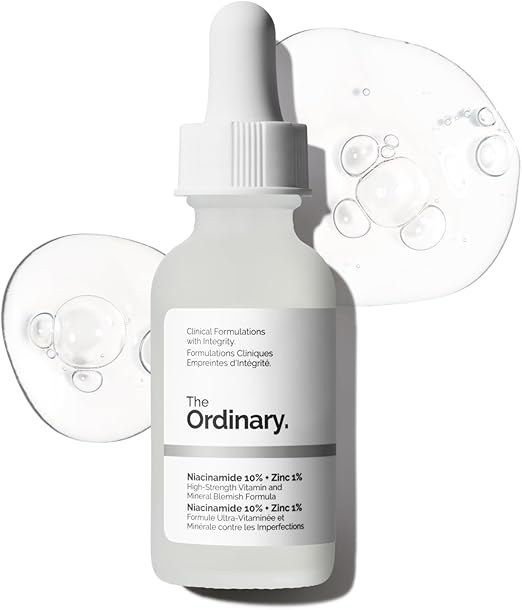
The Ordinary Niacinamide 10% + Zinc 1%
Check latest details on Amazon UK
The Ordinary's 10% niacinamide with 1% zinc PCA is a popular niacinamide product in the UK market. The zinc PCA may add a complementary mechanism alongside niacinamide. The formula has a lightweight water-based texture. Check product details and brand guidance before choosing.
If you are looking for a niacinamide product with zinc PCA, this is a straightforward option to compare. Check product details and brand guidance before choosing.
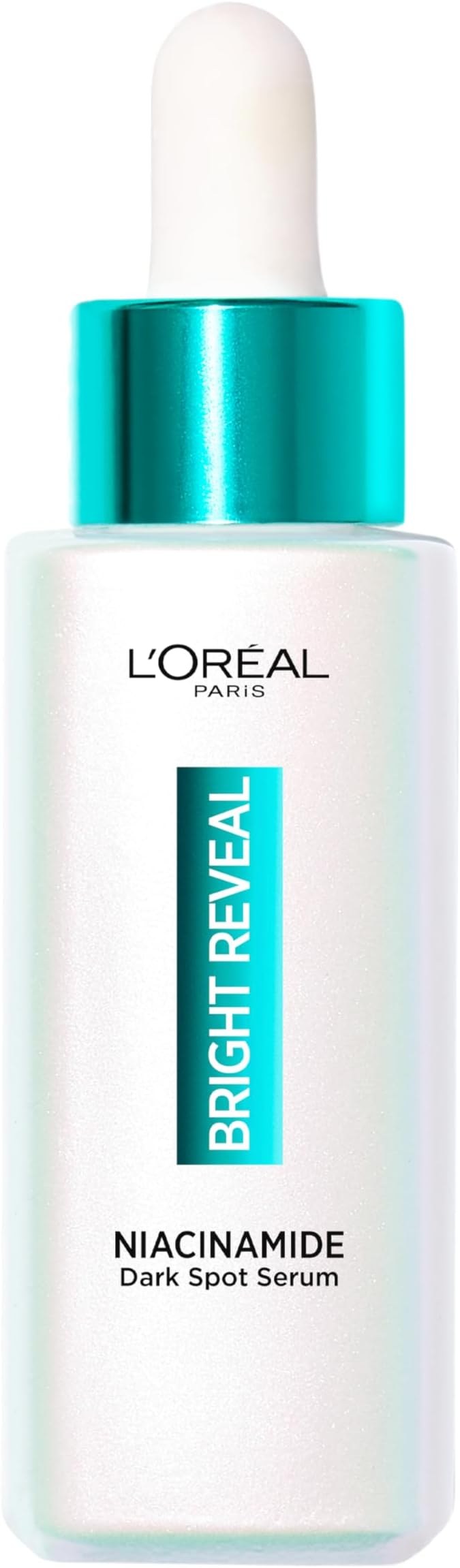
L'Oreal Paris Niacinamide 10% Dark Spot Corrector Serum
Check latest details on Amazon UK
L'Oreal Paris Niacinamide 10% Dark Spot Corrector Serum takes the niacinamide format and adds an uneven tone positioning. The formula includes niacinamide alongside additional ingredients commonly discussed for uneven tone. The result is a niacinamide product positioned differently from a plain niacinamide serum.
If you are comparing niacinamide options with an eye on uneven tone or the look of post-blemish marks alongside oiliness, this is another product to compare alongside the other options in this guide. Check the current listing for the full ingredient profile before choosing.
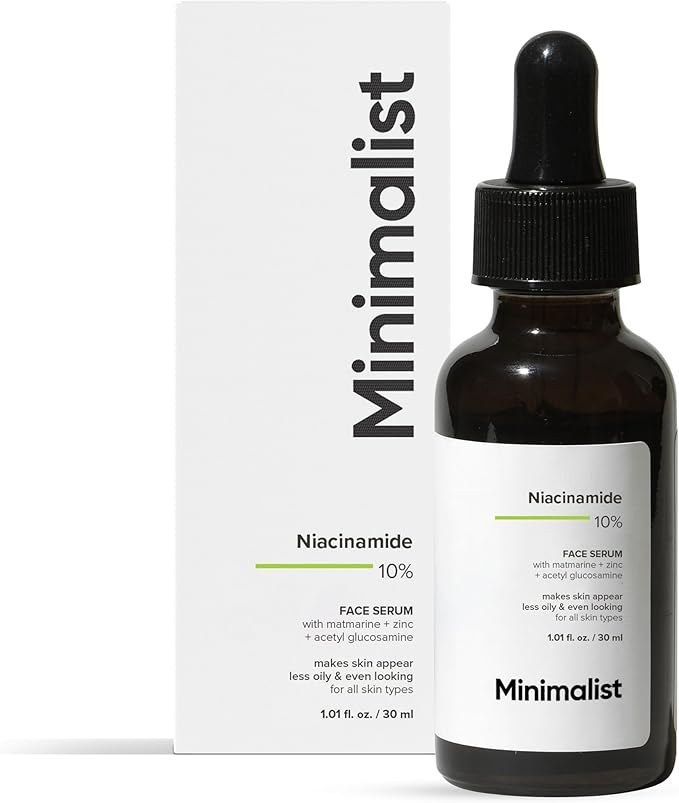
Minimalist 10% Niacinamide Face Serum
Check latest details on Amazon UK
Minimalist 10% Niacinamide Face Serum is a straightforward niacinamide option at 10% concentration. The formula is straightforward and water-based, without the added ingredients found in some other options in this guide. Check the current listing for the exact format and volume included.
If you are comparing niacinamide options with a simpler formula preference and do not need added ingredients, this is a straightforward option to check. The formula has a lightweight texture. Check brand guidance before choosing.
Check latest details on Amazon UK
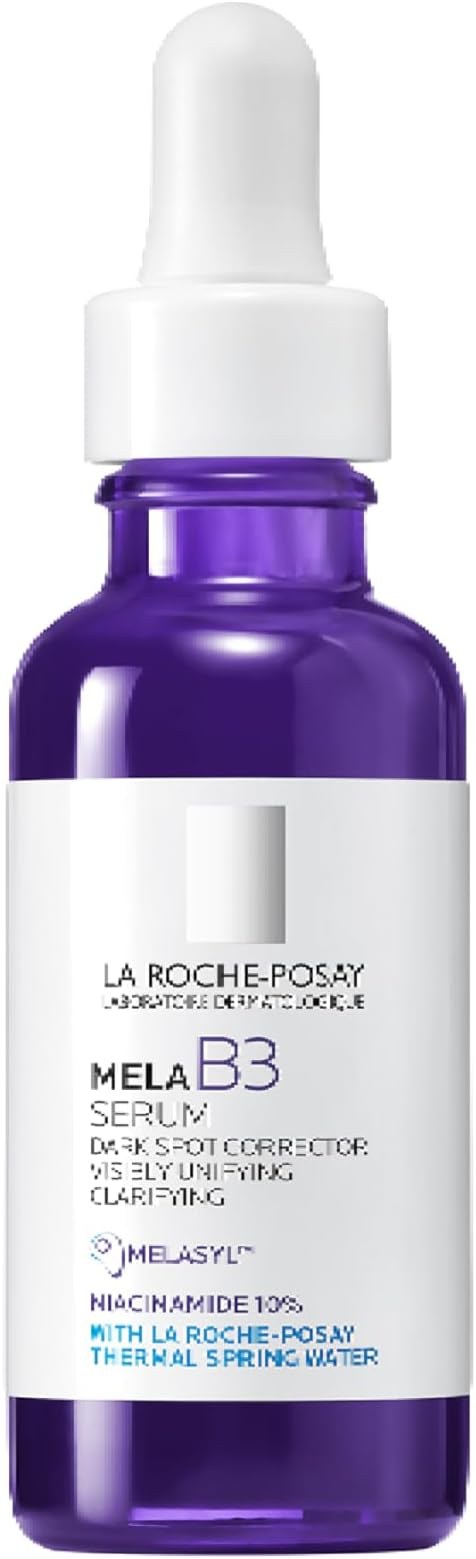
La Roche-Posay Mela B3 Serum sits in a different category from the budget actives brands. It combines niacinamide with vitamin C in a formulation positioned around uneven-looking tone. La Roche-Posay uses their thermal water as the base ingredient, which distinguishes the formulation environment from most budget options.
If you are comparing niacinamide options for uneven-looking tone alongside oiliness and visible pores, this combination approach is another option to compare. Check the current listing for the exact format, concentration and volume included.
Quick comparison
| Product | Niacinamide format | Supporting ingredients | Compare for | Check |
|---|---|---|---|---|
| The Ordinary Niacinamide + Zinc | Water-based serum | 1% zinc PCA | Straightforward 10% niacinamide with zinc PCA | Check latest details on Amazon UK |
| L'Oreal Paris Niacinamide Dark Spot Corrector | Water-based serum | Niacinamide blend with uneven tone positioning | Niacinamide with an uneven tone positioning | Check latest details on Amazon UK |
| Minimalist 10% Niacinamide | Water-based serum | No added active ingredients | Straightforward 10% niacinamide formula | Check latest details on Amazon UK |
| La Roche-Posay Mela B3 | Specialist skincare range serum | Vitamin C with La Roche-Posay thermal water base | Niacinamide and vitamin C for uneven tone in a specialist skincare range formulation | Check latest details on Amazon UK |
What to look for in a niacinamide serum
Concentration: Five to ten percent is a common range in UK products. Below five percent and the effect may be less noticeable. Above ten percent and the effect may diminish for some people. Check brand guidance before choosing a strength.
Additional ingredients: Niacinamide is often used alongside other actives. Zinc PCA is often discussed for oiliness. Hyaluronic acid adds hydration. Ceramides are often discussed for skin barrier support. Vitamin C is often discussed alongside niacinamide for uneven-looking tone. Tranexamic acid is often discussed alongside niacinamide for uneven-looking tone. What you compare alongside niacinamide depends on the routine need you are shopping for.
Fragrance: Many people prefer fragrance free products in niacinamide serums, particularly if they have skin that feels easily unsettled. Check each current listing for fragrance information before buying.
How to use niacinamide in your routine
Niacinamide placement depends on product format and the rest of your routine. Many people use niacinamide after cleansing and before moisturiser, but product instructions vary. Check brand guidance, introduce gradually, and reduce frequency if dryness, flushing or discomfort develops. If spots, redness, irritation, pigmentation changes or breakouts are persistent, painful, scarring, spreading or worrying, consider speaking with a GP, pharmacist, dermatologist or qualified prescriber.
If you are comparing where niacinamide might fit alongside cleanser, moisturiser, SPF or other serums, use the Routine Builder to map out a simple order before changing your routine.
Before you buy
These four options break into two broad categories depending on whether you want the straightforward niacinamide format or a product that combines niacinamide with another active ingredient for a specific concern.
Niacinamide with simple serum formats
The Ordinary Niacinamide 10% + Zinc 1% and Minimalist 10% Niacinamide Face Serum are both straightforward niacinamide options with simple serum formats. The Ordinary includes 1% zinc PCA alongside the niacinamide, which may offer a complementary mechanism for oiliness. Minimalist takes a single-focus approach with no added active ingredients beyond the niacinamide. Both are water-based serums with a lightweight texture. Check the current listing for the exact format and volume included.
Niacinamide with another active for a specific concern
L'Oreal Paris Niacinamide 10% Dark Spot Corrector Serum adds an uneven tone positioning alongside the niacinamide. La Roche-Posay Mela B3 Serum combines niacinamide with vitamin C in a specialist skincare range formulation for uneven tone. Both sit at a different brand and formula positioning and are options to compare if you are specifically looking at uneven tone alongside oiliness and visible pores. Check the current listing for the exact ingredient profile, format and volume before buying.
Across all four, check the current Amazon UK listing for exact concentration, format, volume and any updates to the formula before buying.
Introduce active skincare gradually and check brand guidance before combining products. Speak to a GP, pharmacist, dermatologist or qualified prescriber if pregnant, breastfeeding, using medication, managing a diagnosed skin condition, or if spots, redness, irritation, pigmentation changes or breakouts are persistent, painful, scarring, spreading or worrying.
Frequently asked questions
What strength niacinamide should I use?
Five to ten percent is a common concentration range in UK products. Below five percent and the effect may be less noticeable. Above ten percent and the effect may diminish for some people. Check brand guidance before choosing a strength.
Can I use niacinamide and vitamin C together?
Many people use niacinamide and vitamin C together. When they are combined, a small percentage of people experience flushing or irritation. If you want to use both, applying them at different times of day is one approach many people take: niacinamide in the morning, vitamin C in the evening, or alternate days. Check brand guidance if unsure about combining specific products.
Does niacinamide help with oily skin?
Niacinamide is commonly discussed in routines for oily-looking skin. Products with zinc PCA alongside niacinamide, such as The Ordinary Niacinamide 10% + Zinc 1%, may offer a complementary mechanism. Timelines vary. Some people notice changes in skin feel or appearance after consistent use, though individual experiences differ.
When should I apply niacinamide in my routine?
Placement depends on the product format and the rest of your routine. Many people use niacinamide alongside moisturisers or hydrating serums. Check brand guidance if unsure about product order or combinations.
Can I use niacinamide every day?
Niacinamide is commonly used in daily skincare routines. Timelines vary. Some people notice changes in skin feel or appearance after consistent use, though individual experiences differ. Pregnancy, breastfeeding, medication and diagnosed skin conditions need professional advice. Check with a GP, pharmacist, midwife, dermatologist or qualified prescriber before using active skincare.