Buying Guide
Glycolic Acid Toners UK
Looking for a glycolic acid toner in the UK? Glycolic acid toners are AHA exfoliating liquids applied after cleansing, available in 7 percent, 10 percent and 8 percent formats from brands such as The Ordinary, The INKEY List and Paula's Choice. This page compares three of the more commonly compared options to help you sense-check strength, format and routine fit before checking the latest product details on Amazon UK.
Note: Skincare advice here is general information. Check the product label and speak to a pharmacist, GP or dermatologist if you are unsure whether a product fits your routine.
- 7 percent toner: The Ordinary Glycolic Acid 7% Toning Solution
- 10 percent toner: The INKEY List Glycolic Acid Exfoliating Toner
- Gel format: Paula's Choice 8% AHA Gel
Glycolic Acid Toners to Compare
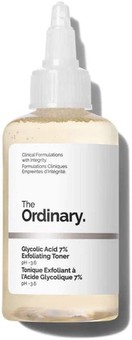
The Ordinary Glycolic Acid 7% Toning Solution
Check latest details on Amazon UK
The Ordinary Glycolic Acid 7% Toning Solution is an exfoliating toner with 7% glycolic acid. The listing describes it with evening use positioning on the product label. The formula includes amino acids and aloe vera according to the label. Check the product label before using, particularly if you are new to exfoliating toners or have sensitive skin.
Compare for: an exfoliating toner at 7% glycolic acid for evening use. Skip if: you prefer a lower concentration or a morning-use toner.
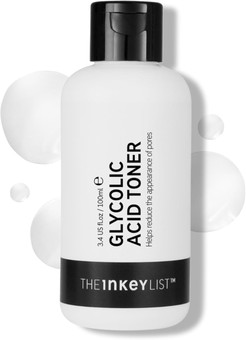
The INKEY List Glycolic Acid Exfoliating Toner
Check latest details on Amazon UK
The INKEY List Glycolic Acid Exfoliating Toner is an exfoliating toner at 10% glycolic acid with witch hazel. The listing commonly discusses tone and pore appearance as areas where shoppers compare it. Check the product label before using, particularly if you have sensitive skin or are new to higher-concentration AHA toners.
Compare for: a 10% glycolic acid toner with witch hazel. Skip if: you prefer a lower concentration or a toner without witch hazel.
Check latest details on Amazon UK
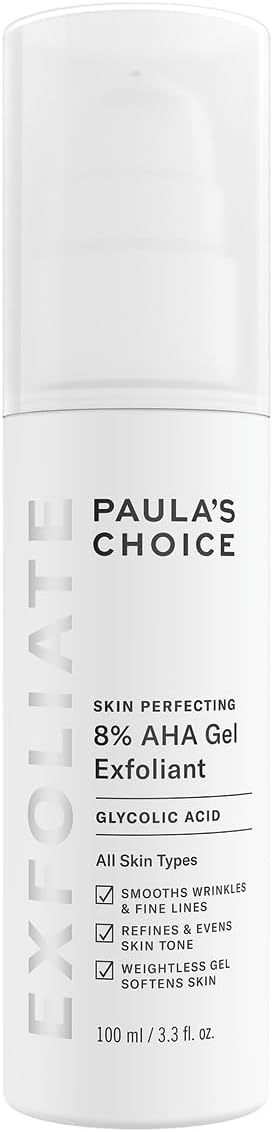
Paula's Choice 8% AHA Gel is an exfoliating gel with 8% glycolic acid in a gel format. The listing marks it for face use. Check the product label before using, particularly if you have sensitive skin or are new to AHA exfoliants.
Compare for: an 8% glycolic acid in a gel format for face use. Skip if: you prefer a watery toner or a different concentration.
Comparison
| Product | Format | Strength | Compare for | Check |
|---|---|---|---|---|
| The Ordinary Glycolic Acid 7% Toning Solution | Toner | 7% glycolic acid | Evening-use exfoliating toner at 7% | Check latest details on Amazon UK |
| The INKEY List Glycolic Acid Exfoliating Toner | Toner | 10% glycolic acid | Higher-strength toner at 10% with witch hazel | Check latest details on Amazon UK |
| Paula's Choice 8% AHA Gel | Gel | 8% glycolic acid | Gel format exfoliant at 8% for face | Check latest details on Amazon UK |
What Glycolic Acid Toners Are
Glycolic acid is an alpha hydroxy acid, commonly abbreviated as AHA. It is used as a leave on exfoliating acid in some skincare routines. Glycolic acid toners are liquid or watery exfoliating products applied to the face with a cotton pad or by hand, typically after cleansing and before serums and moisturisers.
Other AHA formats include gels, creams and serums. Toners are one of the more common formats for glycolic acid in skincare routines. The format affects how the product feels on the skin and how it is applied, rather than changing the way shoppers compare the product category.
Strength and Routine Fit
Concentration: glycolic acid toners range from around 5% to 12% or higher. Lower concentrations are generally considered milder. Higher concentrations are discussed by some shoppers as stronger feeling options, but may also add to skin sensitivity. If you are new to glycolic acid, comparing lower concentration options first is one approach some shoppers take.
Format: toners are watery liquids applied with a pad or by hand. Gels have a thicker texture and may feel different on the skin. Both are rinse-off or leave-on products depending on the specific product instructions. Check the product label for how to use each product.
Time of use: many glycolic acid toners are designed for evening use, as sun sensitivity can increase while using exfoliating products. Some formats are labelled for morning or evening use. Check daytime SPF guidance separately, especially when using exfoliating acids.
Skin type considerations: glycolic acid may not suit everyone, and sensitivity varies. If your skin is reactive or you are using other active ingredients such as retinoids or vitamin C, checking how each product fits with your existing routine before adding a new exfoliant is one step to compare.
Where The Ordinary Glycolic Acid Fits
The Ordinary Glycolic Acid 7% Toning Solution is one of the more frequently discussed glycolic acid toners in UK skincare routines. It uses 7% glycolic acid with amino acids in a toner format, and the listing is commonly marked for evening use. For shoppers comparing this product, the relevant comparison points include concentration, the amino acid formula addition, the toner format and how it fits with the rest of a routine. Checking the product label before use is the most reliable way to confirm how it is described for your skin type and routine.
How to Compare Before Buying
Concentration: compare the percentage of glycolic acid on the product label. A higher percentage is commonly compared as a stronger feeling format, but may also be more likely to add to skin sensitivity if the skin is not used to AHA products.
Format: compare whether you prefer a watery toner applied with a pad or a gel applied by hand. The format affects texture and feel, but both are positioned as leave on AHA formats in some routines.
Additional ingredients: some glycolic acid toners include additional ingredients such as witch hazel, aloe vera, niacinamide or amino acids. These are listed on the product label. Comparing what else is included alongside the glycolic acid can help with product selection.
pH level: some brands discuss pH as part of glycolic acid formulation. Lower pH products may feel more active for some users, but can also be harder to tolerate. Many brands list the pH on the label or product page.
Application guidance: check the product label for how much to use, how often to apply, and whether to use it in the morning or evening. Some products with higher strength exfoliating ingredients may carry less frequent use guidance on the label.
Use and Tolerance Notes
Starting out: if you are new to glycolic acid, some shoppers compare less frequent use patterns first, according to the product label. Your skin may need time to adjust. If irritation occurs, reducing frequency or switching to a lower concentration are steps some shoppers compare.
Signs of overuse: redness, stinging, peeling or skin that feels uncomfortable are signs that the skin may be reacting to the product. If these occur, checking the product label and speaking to a pharmacist, GP or dermatologist if unsure are sensible next steps. Introducing one exfoliating product at a time makes it easier to identify what is causing a reaction.
SPF during use: Check daytime SPF guidance separately, especially when using exfoliating acids. Compare the SPF product label and brand guidance before choosing a daytime routine. If you are building a routine around a glycolic acid toner, the Routine Builder may help you compare how the toner fits with other steps and when it may suit a morning or evening slot.
Combining with other actives: using multiple exfoliating or active ingredients at the same time may add to skin sensitivity. If you use retinoids, vitamin C, or other acids, compare how the product label advises on combining products before adding a glycolic acid toner to your routine.
Before You Buy
The Ordinary Glycolic Acid 7% Toning Solution is a 7% glycolic acid toner positioned for evening use. The INKEY List Glycolic Acid Exfoliating Toner is a 10% glycolic acid toner with witch hazel. Paula's Choice 8% AHA Gel is an 8% glycolic acid product in a gel format.
Check the current listing details before buying any glycolic acid product, particularly for the full ingredient list, pH level, application guidance and any specific warnings. Formula versions can change, so check the label on the product you receive before use.
Frequently Asked Questions
What strength glycolic acid toner should I start with?
If you are new to glycolic acid, starting with a lower concentration such as 5% or 7% is one approach to compare. Your skin may need several weeks to adjust. Some shoppers later compare higher concentrations if the lower concentration product fits their routine. Higher concentrations such as 10% or above are discussed by some shoppers for stronger feeling AHA formats but may also be more likely to cause skin sensitivity if the skin is not accustomed to AHA use.
Can I use a glycolic acid toner every day?
Some glycolic acid toners are labelled for daily use, while others are recommended a few times per week. Check the product label for application guidance. Daily use is not always necessary and some people find that less frequent application is enough for their skin. If you experience irritation, reducing frequency is one step to compare before stopping use.
Should I use glycolic acid toner in the morning or evening?
Many glycolic acid toners are recommended for evening use, as exfoliation can increase sun sensitivity. Check the product label for the manufacturer's application guidance. If you use a glycolic acid toner in the evening, check daytime SPF guidance for the following day.
Can I use glycolic acid toner with vitamin C or retinoids?
Combining multiple active ingredients may add to skin sensitivity. If you use vitamin C or retinoids alongside a glycolic acid toner, checking the product label and comparing how each product is recommended for use can help you compare routine placement. Some people alternate days; others use one in the morning and one in the evening. The Ingredient Compatibility Checker is a useful sense-check before combining a glycolic acid toner with other actives.
What is the difference between a toner and a gel for glycolic acid?
Both are positioned as leave on AHA formats in some routines. A toner is typically a watery liquid applied with a pad or by hand. A gel has a thicker texture. The difference is largely in how the product feels on application, rather than a hard rule about product results. Check the product label for application guidance specific to each product.