Buying Guide
Best Retinol Serums UK
Retinol and retinal are vitamin A derivatives commonly used in cosmetic skincare products. Retinol converts to retinal during use, and retinal is a more direct precursor in the same conversion pathway. Both appear in serum formats listed on Amazon UK, in a range of concentrations from beginner-friendly options to higher-strength formulations. This guide compares retinol and retinal serum options by strength, texture and base formulation.
Comparing by strength and formulation: compare The Ordinary Retinol 0.5% in Squalane for a lower-mid strength beginner option in a squalane base. Compare The Ordinary Retinol 1% in Squalane for a higher-strength option in a squalane base. Compare La Roche-Posay Redermic R for a pharmacy-brand retinol serum option. Compare CeraVe Resurfacing Retinol for a retinol formula with niacinamide and ceramides. Compare The INKEY List Retinol Serum for a retinol option with a slow-release approach. Compare Moonlight Advanced Retinal for a retinal format in a higher-strength formulation.
Products to Compare
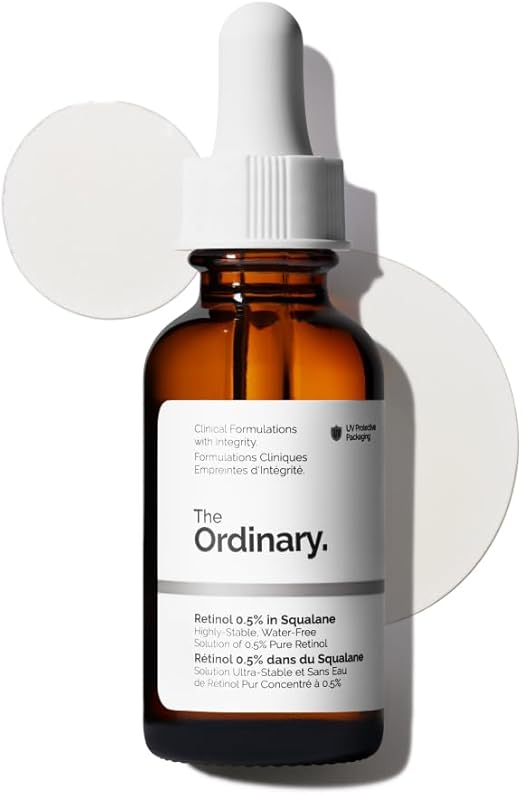
The Ordinary Retinol 0.5% in Squalane
Check latest details on Amazon UK
A 0.5% retinol formula in a squalane base. The percentage places this toward the lower-mid strength range of retinol products listed on Amazon UK. Squalane as a base ingredient gives the formula a more emollient feel compared to water-based serum formats. This is a straightforward retinol option for comparing concentrations across the guide.
Compare for: a lower-mid strength retinol serum in a squalane base, positioned around 0.5% concentration for straightforward comparison.
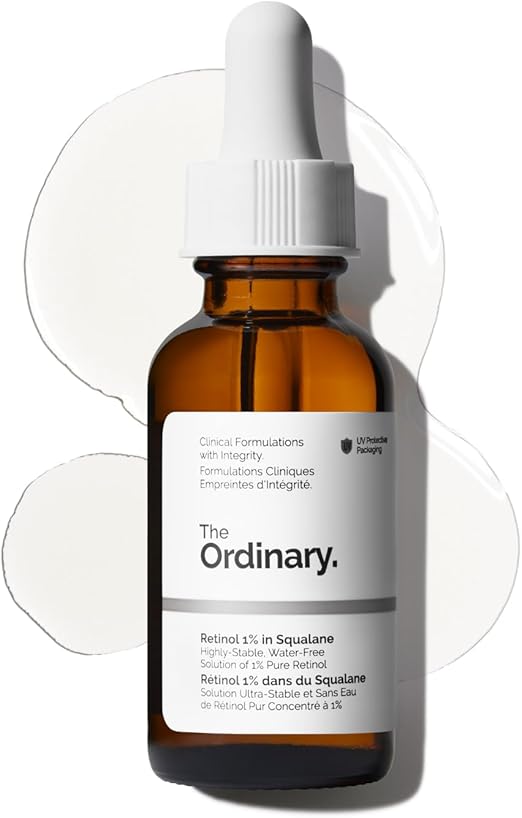
The Ordinary Retinol 1% in Squalane
Check latest details on Amazon UK
A 1% retinol formula in a squalane base. At this concentration the product sits in the higher-strength range of retinol options. Introducing a higher-strength retinol gradually is generally recommended, and checking brand guidance on frequency is worth doing before choosing this concentration.
Compare for: a higher-strength retinol serum in a squalane base, positioned around 1% concentration for comparison with lower-strength options.
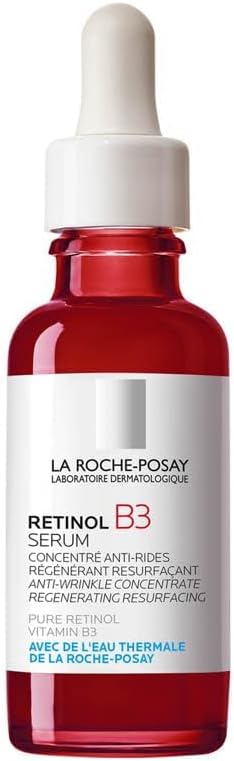
La Roche-Posay Redermic R Retinol Serum
Check latest details on Amazon UK
La Roche-Posay Redermic R is a pharmacy-brand retinol serum option within the Redermic range. Comparing this against The Ordinary options shows the contrast between a specialist pharmacy brand and a direct-to-consumer formulation approach. Check the exact formula and version before choosing, as brand ranges can update over time.
Compare for: a pharmacy-brand retinol serum option, positioned to compare brand formulation approach against direct-to-consumer alternatives.
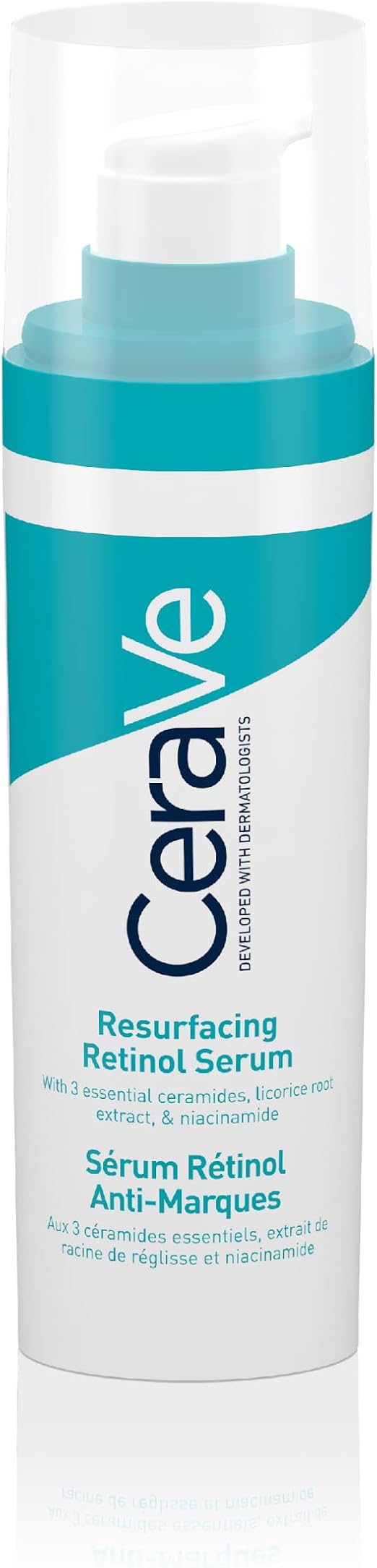
CeraVe Resurfacing Retinol Serum
Check latest details on Amazon UK
CeraVe Resurfacing Retinol includes niacinamide and ceramides alongside retinol. The combination of retinol with barrier-supporting ingredients gives this a different formulation profile compared to the plain retinol-in-squalane options. Check the full ingredient list before choosing to confirm the retinol concentration and how the supporting ingredients are positioned.
Compare for: a retinol formula that includes niacinamide and ceramides, positioned for comparing formulation profile against plain retinol bases.
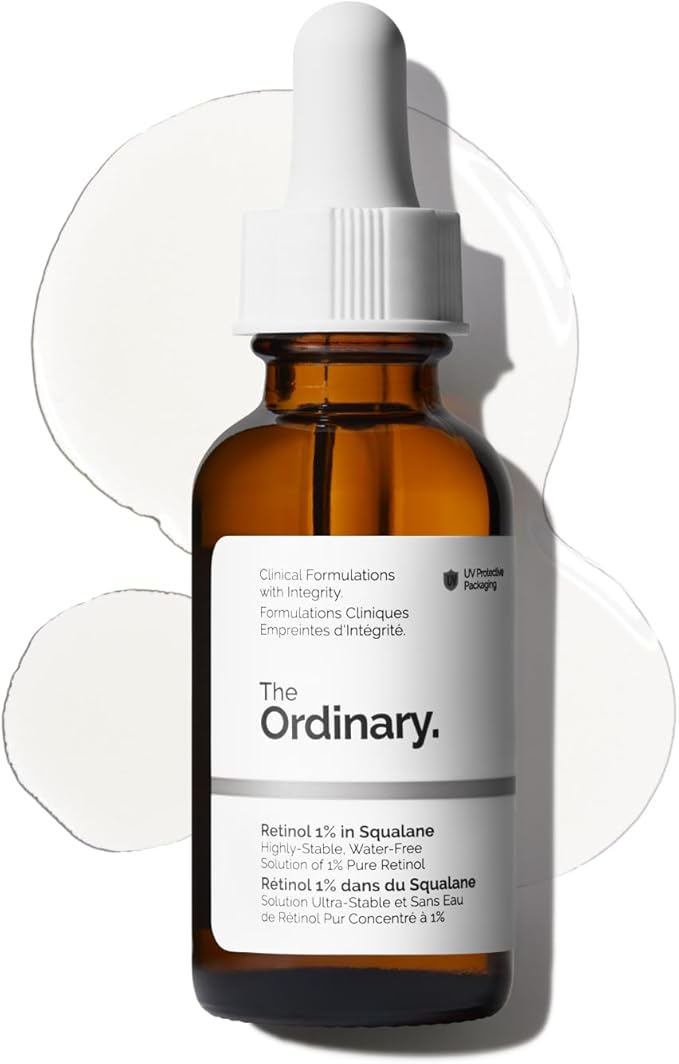
Check latest details on Amazon UK
The INKEY List Retinol Serum uses a slow-release approach to the retinol format, which means the ingredient is delivered more gradually compared to immediate-release formats. The formula is listed at 30ml and is compared here alongside other retinol and retinal serum options to illustrate the range of formulation approaches available.
Compare for: a retinol serum with a slow-release formulation approach, positioned for comparing gradual introduction formats against immediate-release options.
Moonlight Advanced Retinal Serum
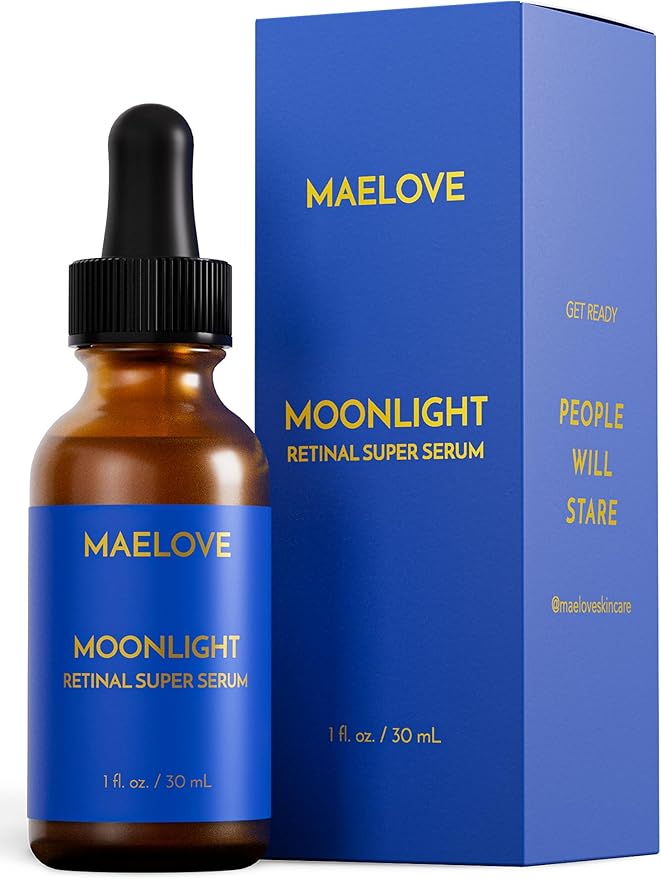
Check latest details on Amazon UK
Moonlight Advanced Retinal is a retinal-format serum, which means it converts directly to retinoic acid during use rather than requiring the two-step conversion that retinol needs. This places it in the retinal category alongside the retinol options in this guide. Check the listing for the exact retinal concentration and supporting ingredients before choosing.
Compare for: a retinal-format serum option, positioned alongside the retinol products for comparing type and conversion pathway.
Comparison
| Product | Type | Base / formulation | Size |
|---|---|---|---|
| The Ordinary Retinol 0.5% in Squalane | Retinol | Squalane base | 30ml |
| The Ordinary Retinol 1% in Squalane | Retinol | Squalane base | 30ml |
| La Roche-Posay Redermic R | Retinol | Pharmacy brand serum format | 30ml |
| CeraVe Resurfacing Retinol | Retinol | With niacinamide and ceramides | 30ml |
| The INKEY List Retinol Serum | Retinol | Slow-release approach | 30ml |
| Moonlight Advanced Retinal | Retinal | Retinal serum format | Check listing |
What are retinol and retinal
Retinol and retinal are both vitamin A derivatives used in skincare products. Retinol converts to retinal during use, and retinal is a more direct precursor in the same conversion pathway, requiring fewer steps to reach the active form. The practical difference is that retinal tends to be more potent on a per-unit basis compared to retinol, though the exact comparison depends on the specific formulation and concentration.
Retinol and retinal products appear in serum formats, with varying concentrations and base formulations. Lower concentrations are often chosen by people who are new to vitamin A derivatives, while higher concentrations may be preferred by those with previous experience. All retinol and retinal products require careful introduction and consistent SPF use during the day.
Retinol and retinal are generally avoided during pregnancy and breastfeeding unless a qualified professional advises otherwise. If pregnant, breastfeeding or trying to conceive, speak with a GP, pharmacist, midwife, dermatologist or qualified prescriber before using retinol or retinal skincare.
How to choose
By strength: concentrations vary across retinol products. Lower percentages such as 0.5% are generally considered more beginner-friendly, while higher percentages require more caution and previous experience with vitamin A derivatives. When comparing, check the exact percentage rather than relying on informal strength labels.
By type: retinol and retinal have different conversion pathways. Retinal is more direct and tends to be more potent on a per-unit basis, which means retinal products may be positioned differently from retinol products depending on concentration, formulation and brand guidance. This guide includes both types so the formats can be compared directly.
By formulation: the base formula affects how the product feels on the skin. Squalane-based formulas tend to feel more emollient. Serum formats with additional ingredients such as niacinamide, ceramides or slow-release approaches give different formulation profiles to plain retinol in squalane. Comparing base formulas alongside strength helps narrow down the choice.
By format: serums tend to be water-based and lightweight. The Ordinary products listed here use a squalane base, which gives a different texture to a water-based serum. Checking product descriptions for texture and feel is worth doing before choosing.
By routine fit: retinol and retinal are typically used in the evening. If the routine already includes other actives, layering multiple active ingredients may increase the chance of irritation. Checking brand guidance on how to sequence retinol within a routine is worth doing.
How to use carefully
Introduce retinol and retinal products gradually regardless of strength. Most people start by applying once every two to three evenings and increase frequency only if the skin tolerates it without persistent dryness, redness or irritation.
Apply retinol in the evening after cleansing and before heavier moisturisers. Check brand guidance on whether the product should be applied to damp or dry skin, as this varies between formulas. Check brand guidance on patch testing and introduction frequency before starting.
Daytime SPF matters when using retinol or retinal. These ingredients can make skin feel more sun sensitive for some people, so check brand guidance and use a broad spectrum SPF during the day.
Reduce frequency or stop using the product if the skin shows signs of persistent dryness, redness, peeling or irritation. Introduce again more gradually once the skin has settled.
Do not use retinol or retinal products over broken or significantly irritated skin.
Retinol and retinal are generally avoided during pregnancy and breastfeeding unless a qualified professional advises otherwise. If pregnant, breastfeeding or trying to conceive, speak with a GP, pharmacist, midwife, dermatologist or qualified prescriber before using retinol or retinal skincare.
If spots, redness, irritation, pigmentation changes or breakouts are persistent, painful, scarring, spreading or worrying, speak to a GP, pharmacist, dermatologist or qualified prescriber. This is also worth doing if you are using prescription skincare or medication, or managing a diagnosed skin condition.
Before you buy
Retinol and retinal products are active skincare ingredients that require careful introduction. Compare the concentration, formulation type and base ingredients before choosing. Check brand guidance on patch testing, introduction frequency and how to sequence the product within a routine.
Check the current listing on Amazon UK before choosing, particularly for the exact retinol or retinal concentration, full ingredient list, format size and any usage instructions, which can vary between listings for products with similar names.
Daytime SPF is worth building into the routine before introducing retinol or retinal. If the current routine does not include a broad-spectrum SPF, building that habit first is worth considering.
If you are using other active ingredients such as AHAs, BHAs or vitamin C, check brand guidance on sequencing before combining with retinol or retinal, as layering multiple actives can increase irritation risk.
For a broader skincare routine context, the Retinol for Beginners guide covers introduction steps and routine building alongside this comparison. The Routine Builder can help sequence retinol within a full routine.
Frequently asked questions
What is the difference between retinol and retinal?
Both are vitamin A derivatives. Retinol converts to retinal during use, and retinal is a more direct precursor in the same conversion pathway. Retinal tends to be more potent on a per-unit basis, which means retinal products may be positioned differently from retinol products depending on concentration, formulation and brand guidance. The practical difference comes down to formulation, concentration and how the product is used.
Should I apply retinol before or after moisturiser?
Retinol and retinal are typically applied to clean, dry skin before heavier moisturisers in the evening. Check the product instructions for the specific product chosen, as application order can vary between formulas. Applying to damp skin is not generally recommended unless the product guidance specifically states otherwise.
How often should I use retinol or retinal?
Introduce gradually. Most people start by applying once every two to three evenings and build up frequency only if the skin tolerates it without persistent dryness, redness or irritation. Check brand guidance for the specific product chosen.
Can I use retinol and vitamin C together?
Using retinol and vitamin C in the same routine can increase the chance of irritation for some skin types. Some people choose to use vitamin C in the morning and retinol in the evening as a way to separate the two. Check brand guidance if combining active ingredients and reduce frequency if the skin shows signs of irritation.
Can I use retinol or retinal during pregnancy?
Retinol and retinal are generally avoided during pregnancy and breastfeeding unless a qualified professional advises otherwise. If pregnant, breastfeeding or trying to conceive, speak with a GP, pharmacist, midwife, dermatologist or qualified prescriber before using retinol or retinal skincare.