Buying Guide
Vitamin C Serums: A UK Buying Guide
Vitamin C serums are a widely used skincare category. Formula type, concentration, packaging and how the product fits the routine all affect how it is experienced. Use this guide to compare the main options on Amazon UK before choosing.
- Straightforward L-ascorbic acid: The INKEY List Vitamin C Serum
- Vitamin C derivative for gentler routine fit: Medik8 C-Tetra
- Higher-strength L-ascorbic acid suspension: The Ordinary Vitamin C Suspension 23%
- Lighter-feeling derivative option: Beauty of Joseon Light On Serum
Products to Compare
The INKEY List Vitamin C Serum
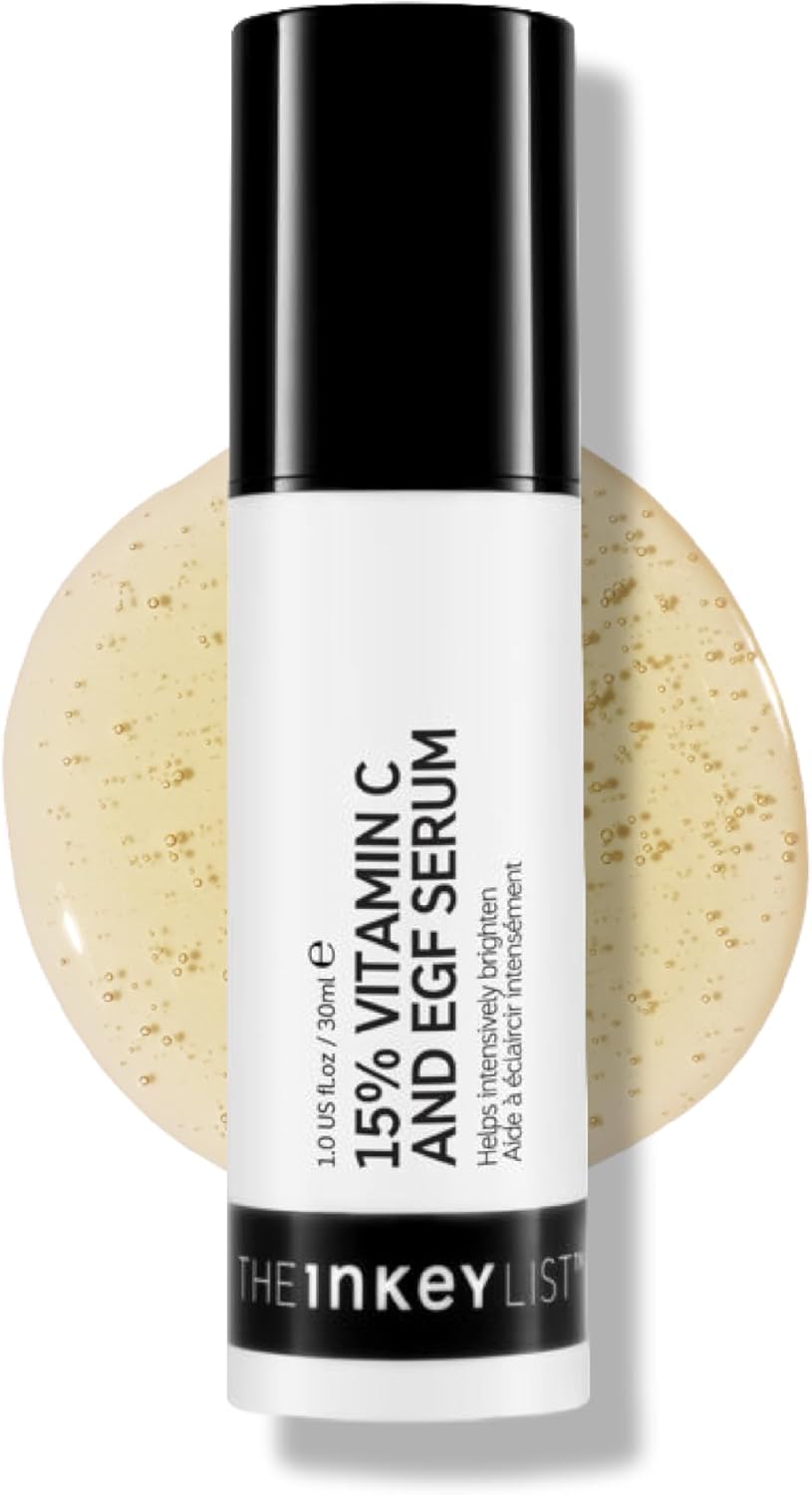
Check latest details on Amazon UK
A straightforward L-ascorbic acid option in a pump format. The listing describes it with 15% concentration alongside EGF. Check the product label for the full ingredient list and application guidance.
Compare for: a straightforward L-ascorbic acid option at a moderate listed concentration. Skip if: you prefer a vitamin C derivative formula or a suspension texture.
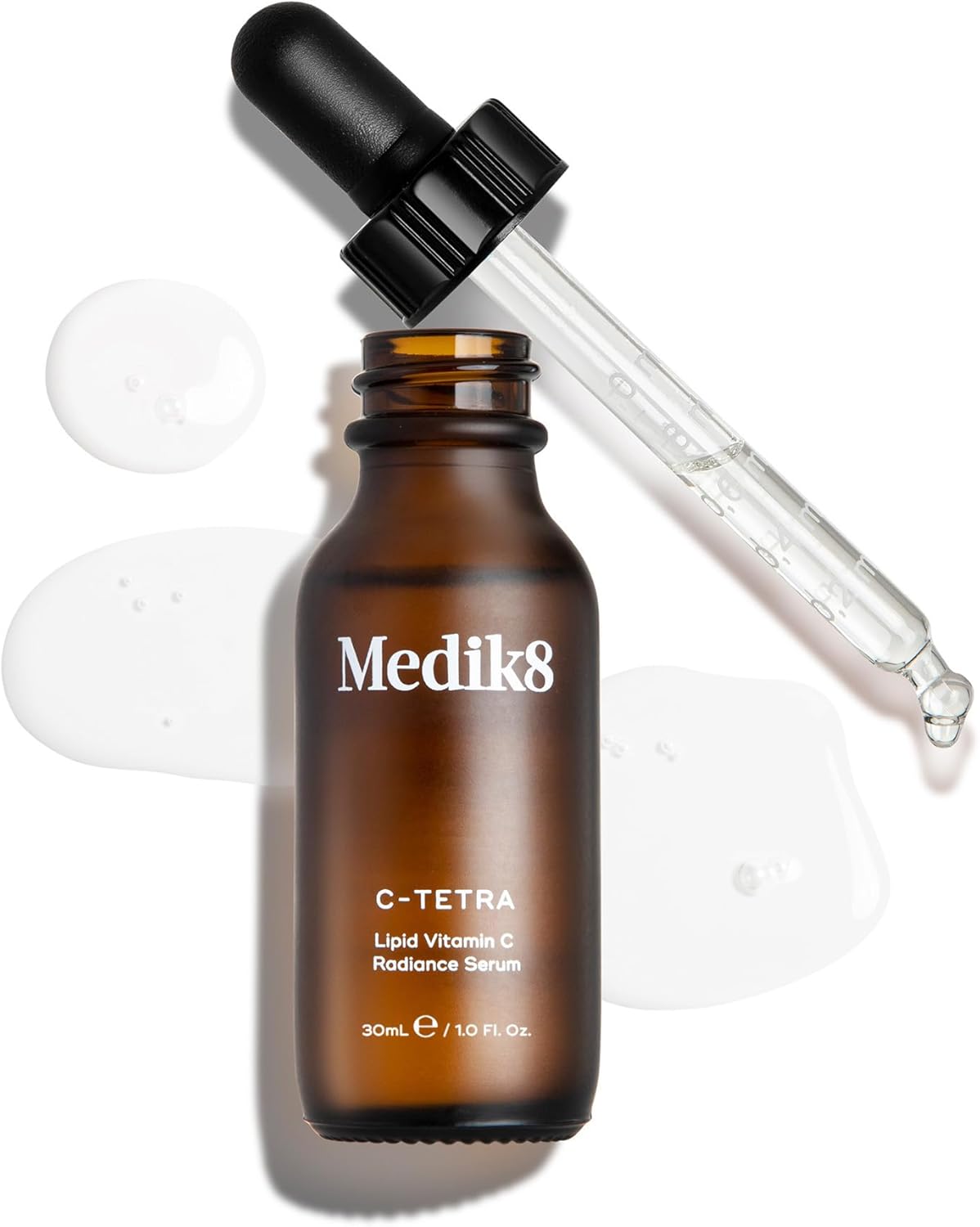
Check latest details on Amazon UK
A vitamin C derivative option from a pharmacy skincare brand. The listing describes it as a lipid-based vitamin C serum. Check the product label for the full ingredient list and application guidance.
Compare for: a pharmacy brand vitamin C derivative option in a gentler-feeling format. Skip if: you prefer a direct L-ascorbic acid formula or a suspension texture.
The Ordinary Vitamin C Suspension 23%
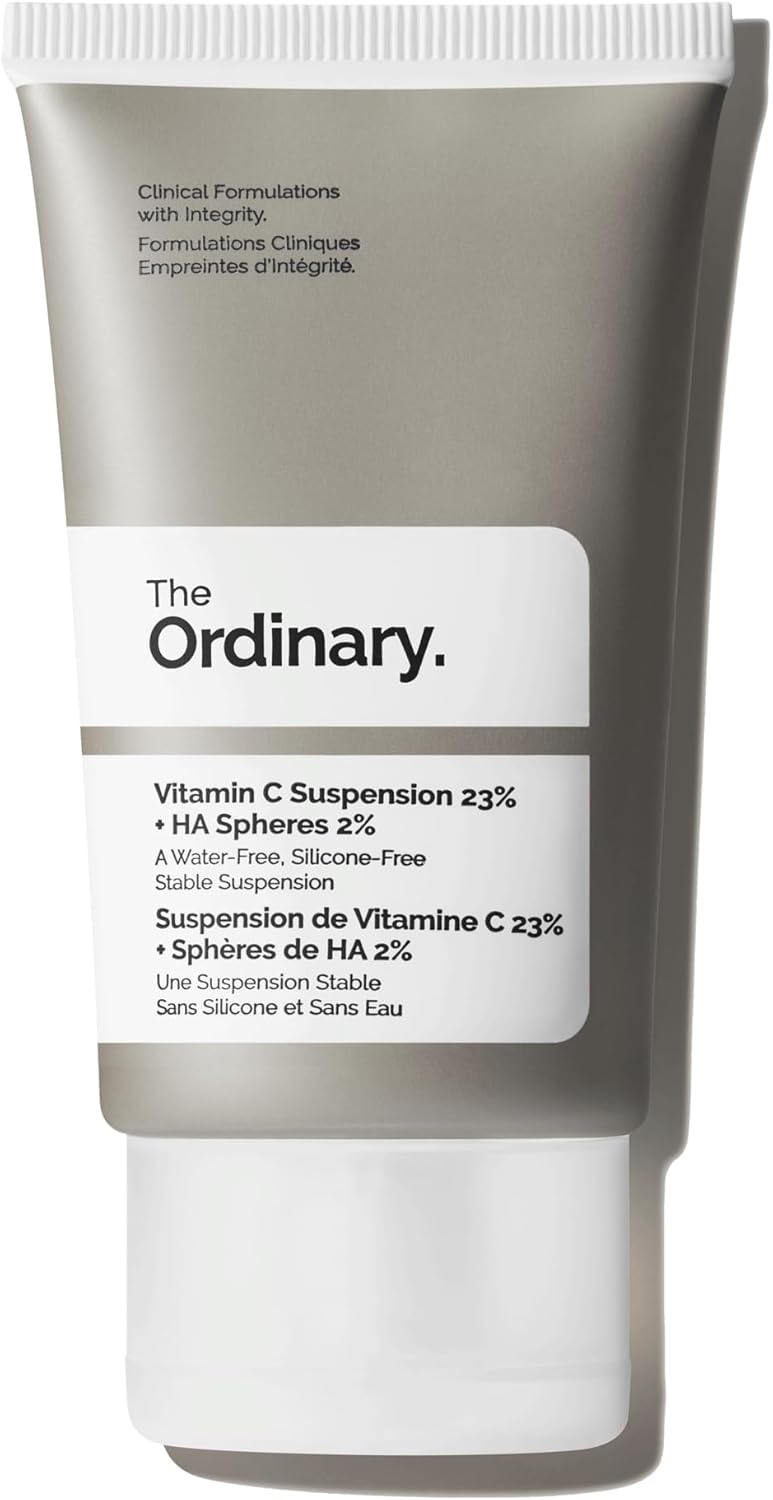
Check latest details on Amazon UK
A higher-strength L-ascorbic acid suspension with HA Spheres. The suspension format gives a different texture compared to liquid serums. Check the product label before using, particularly if you have reactive skin or are new to higher-concentration vitamin C products.
Compare for: a higher-listed-concentration L-ascorbic acid suspension. Skip if: you prefer a liquid serum format or a vitamin C derivative formula.
Beauty of Joseon Light On Serum
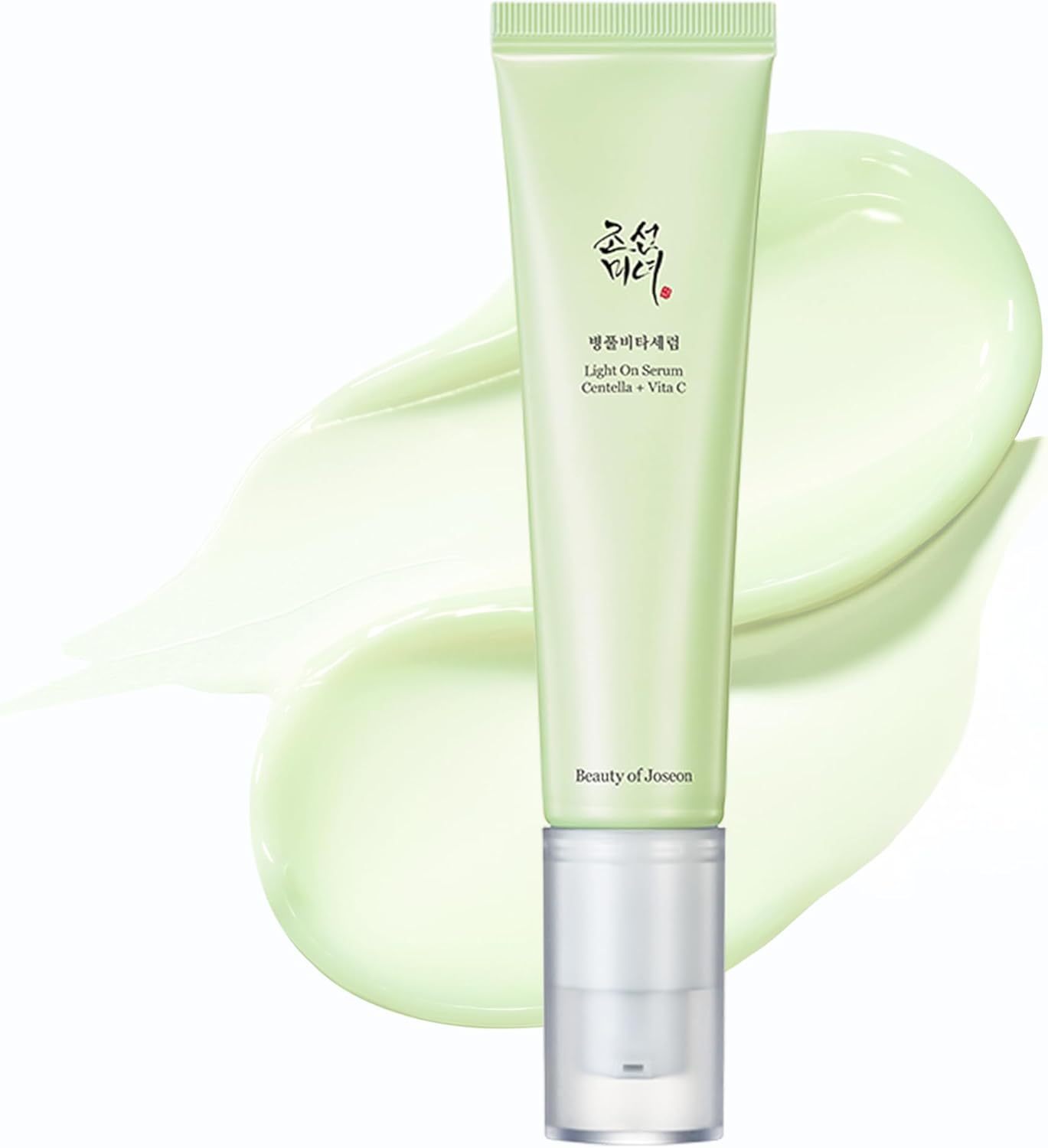
Check latest details on Amazon UK
A lighter-feeling vitamin C derivative serum from a K-beauty brand. The listing describes it with centella alongside the vitamin C derivative. Check the product label for the full ingredient list and application guidance.
Compare for: a lighter-feeling vitamin C derivative option with K-beauty positioning. Skip if: you prefer a direct L-ascorbic acid formula or a suspension texture.
Comparison
| Product | Format | Key label detail | Compare for | Check |
|---|---|---|---|---|
| The INKEY List Vitamin C Serum | Liquid serum, pump, 30ml | 15% L-ascorbic acid + EGF | A straightforward L-ascorbic acid option at a moderate listed concentration | Check latest details on Amazon UK |
| Medik8 C-Tetra | Liquid serum, 30ml | Vitamin C derivative (ascorbyl tetraisopalmitate) | A pharmacy brand vitamin C derivative in a gentler-feeling format | Check latest details on Amazon UK |
| The Ordinary Vitamin C Suspension 23% | Suspension, 30ml | 23% L-ascorbic acid + HA Spheres 2% | A higher-listed-concentration L-ascorbic acid suspension | Check latest details on Amazon UK |
| Beauty of Joseon Light On Serum | Liquid serum, 30ml | Vitamin C derivative (ascorbic acid glucoside) + centella | A lighter-feeling vitamin C derivative option with K-beauty positioning | Check latest details on Amazon UK |
What to Compare Before Choosing
Formula type: L-ascorbic acid is the classic direct form of vitamin C in skincare. Derivative forms such as ascorbyl glucoside, ascorbyl tetraisopalmitate or sodium ascorbyl phosphate are compared by some shoppers who prefer a gentler-feeling formula. Comparing formula type is one starting point before looking at concentration details.
Listed concentration: vitamin C products range widely in listed concentration. Higher listed concentrations are commonly discussed in this category. Comparing the listed percentage alongside formula type and packaging gives more context than the number alone.
Format and texture: vitamin C comes in liquid serums, suspensions and gel-serum textures. Suspension formats feel different from liquid serums. Comparing texture preference alongside formula type is one approach to choosing between them.
Supporting ingredients: some products include supporting ingredients such as hyaluronic acid, ferulic acid, vitamin E or centella. These affect how the product is positioned and whether it overlaps with an existing step in the routine.
Packaging and Formula Notes
Packaging: L-ascorbic acid products are often packaged in opaque pumps or airtight containers because the ingredient can degrade when exposed to light and air. Suspension formats and derivative products may have different packaging considerations. Checking the product listing for packaging details is one practical step before buying.
Colour and freshness: L-ascorbic acid products can change colour over time, which is a normal sign of ingredient degradation. Some shoppers compare how the product looks when new and check it periodically during use. Brand guidance on storage and replacement timing is worth checking from the product listing.
Placement in routine: vitamin C placement depends on the specific product. Checking the product label and brand guidance for routine order is one step before combining it with other active ingredients such as exfoliating acids or retinoids.
Before You Buy
The INKEY List Vitamin C Serum is a straightforward L-ascorbic acid option at 15% in a pump format. Medik8 C-Tetra uses a vitamin C derivative (ascorbyl tetraisopalmitate) in a pharmacy brand liquid serum format. The Ordinary Vitamin C Suspension 23% is a higher-concentration L-ascorbic acid suspension with HA Spheres. Beauty of Joseon Light On Serum uses a vitamin C derivative (ascorbic acid glucoside) alongside centella in a K-beauty liquid serum format.
Compare listed concentration, formula type and packaging before choosing. Check the product label for the full ingredient list, application guidance and any specific warnings. Formula versions can change, so check the label on the product you receive before use.
Frequently Asked Questions
What is the difference between L-ascorbic acid and vitamin C derivatives?
L-ascorbic acid is the direct form of vitamin C used in skincare. Derivatives such as ascorbyl glucoside or ascorbyl tetraisopalmitate are modified forms that some shoppers compare to L-ascorbic acid for texture preference or routine fit. Comparing formula type alongside listed concentration is one approach before choosing.
Does a higher listed concentration mean better results?
Listed concentration is one factor among several. Formula type, packaging, how the product is stored and how consistently it is used all affect the experience. Comparing listed concentration alongside formula type and texture preference is a more useful comparison than the percentage alone.
Can I use vitamin C with other active ingredients?
Some shoppers use vitamin C alongside other active ingredients in the same routine. Comparing whether products overlap or complement each other before combining is one approach. Checking the product label and brand guidance before combining with exfoliating acids or retinoids is recommended.
Who commonly compares vitamin C serums?
Vitamin C serums are commonly compared by shoppers looking at formula type, concentration, texture and packaging. Derivative options are often compared by people who prefer a gentler-feeling routine, while suspension formats are compared by shoppers who prefer higher concentrations in a different texture. Comparing the listed details before choosing is one approach.