Buying Guide
Best Azelaic Acid Serums UK
Looking for the best azelaic acid serum in the UK? Azelaic acid is a versatile skincare ingredient available at 10 percent without prescription from Amazon UK and Boots. This page compares four azelaic acid products available in 2026, covering texture, supporting ingredients and how each one fits a routine for blemish prone skin, redness prone skin or uneven looking tone.
Products Compared
This page compares four azelaic acid skincare options available in the UK. All are available through Amazon UK. Check brand guidance and follow product instructions.
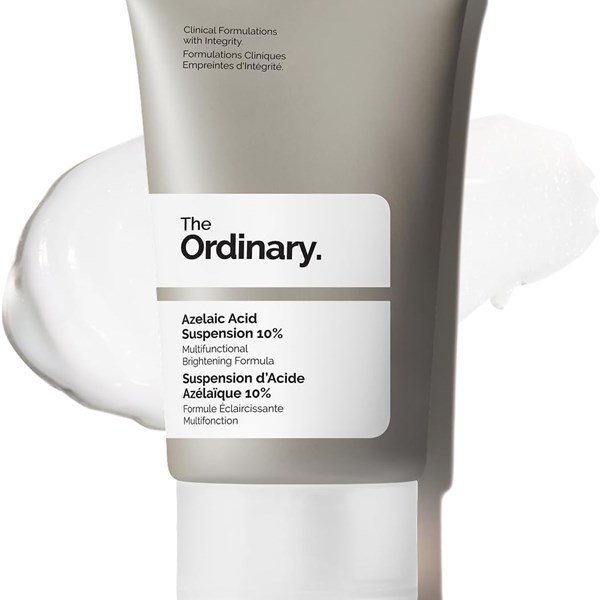
The Ordinary Azelaic Acid Suspension 10%
Check current listing details on Amazon UK
The Ordinary Azelaic Acid Suspension 10 percent is a 30ml option on Amazon UK. It is often chosen by people looking at uneven looking tone, the look of blemishes, and texture. The suspension format means it has a slightly gritty texture due to the particle size of azelaic acid in solution, and it sits on top of the skin rather than absorbing fully. Some people find this feels heavy under moisturiser. Others apply it at night and are not bothered by it. The formula is fragrance free and straightforward.
Compare for: a fragrance free azelaic acid suspension option at 10 percent.
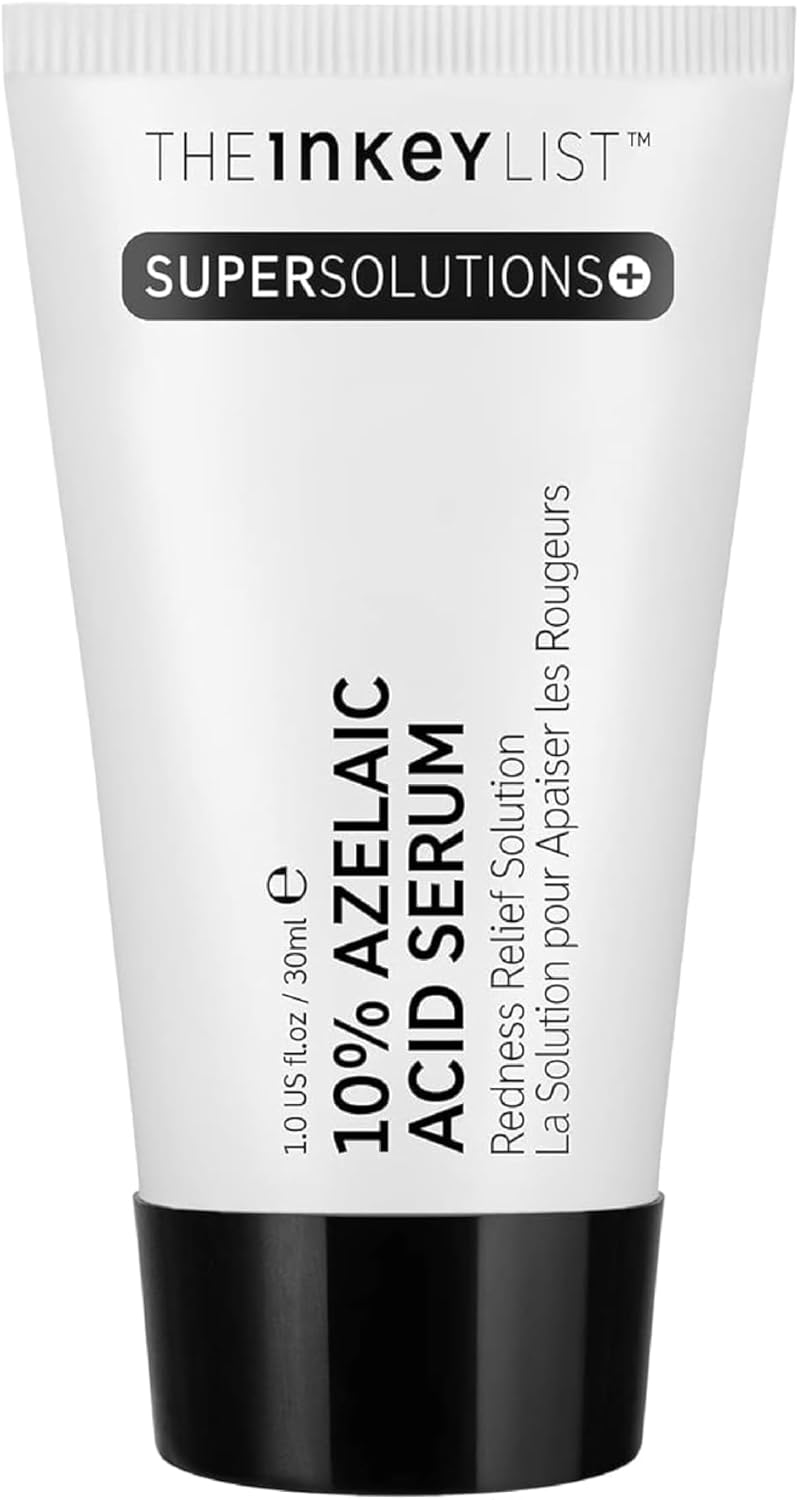
The INKEY List SuperSolutions 10% Azelaic Acid Serum
Check current listing details on Amazon UK
The INKEY List is a UK-born skincare brand with an ingredient-focused approach. Their 10 percent azelaic acid serum has a lighter serum texture, without the heavy silicone feel of The Ordinary suspension. For people in the UK who want an azelaic acid serum in a lighter feeling format, this is included as a comparison option alongside The Ordinary.
Compare for: a lighter feeling 10 percent azelaic acid serum option.
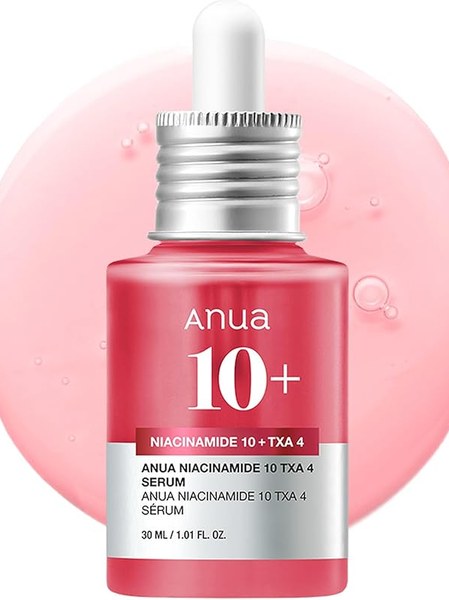
Anua Azelaic Acid 10 Hyaluron Redness Soothing Serum
Check current listing details on Amazon UK
Anua is a Korean skincare brand. Their Azelaic Acid 10 Hyaluron Redness Soothing Serum is marketed for redness prone and sensitive feeling skin. The azelaic acid is paired with hyaluron and wheat/barley extracts to add hydration and hydrating feeling support alongside the active ingredient. Anua products are available through UK beauty retailers. If redness, flushing, bumps or irritation are persistent or worrying, consider speaking with a GP, pharmacist, dermatologist or qualified prescriber.
Compare for: a 10 percent azelaic acid serum with hydration supporting ingredients for redness prone skin.
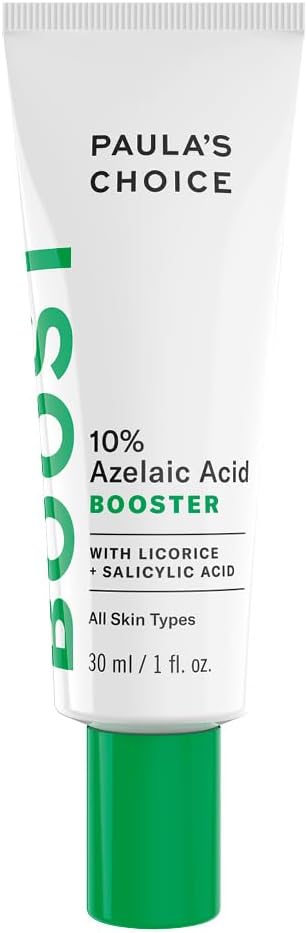
Paula's Choice 10% Azelaic Acid Booster
Check current listing details on Amazon UK
Paula's Choice is a well-established skincare brand, and their 10 percent Azelaic Acid Booster pairs 10 percent azelaic acid with 0.5 percent salicylic acid. It is included here as a comparison option.
Compare for: a 10 percent azelaic acid option paired with salicylic acid in a booster format.
Product Comparison
| Product | Format | Strength | Routine note | Main comparison point |
|---|---|---|---|---|
| The Ordinary Azelaic Acid Suspension 10% | Suspension | 10% | silicone heavy cream gel texture; fragrance free | Suspension format azelaic acid at 10 percent |
| The INKEY List SuperSolutions 10% Azelaic Acid Serum | Serum | 10% | Lightweight fast absorbing serum; fragrance free | lighter feeling serum format at 10 percent |
| Anua Azelaic Acid 10 Hyaluron Redness Soothing Serum | Serum | 10% | Serum with hydration support; redness prone skin focus | Azelaic acid 10 percent with hydration supporting ingredients |
| Paula's Choice 10% Azelaic Acid Booster | Booster | 10% + salicylic acid 0.5% | Booster format; pairs azelaic acid with salicylic acid | Azelaic acid 10 percent paired with 0.5 percent salicylic acid |
What Is Azelaic Acid
Azelaic acid is a naturally occurring dicarboxylic acid found in barley, wheat, and rye. It was first developed as a pharmaceutical ingredient in the 1980s and is now commonly used in cosmetic skincare in routines for blemish prone skin, redness prone skin, and uneven looking tone.
In the UK, azelaic acid at concentrations up to 10 percent is classified as a cosmetic product and is available without prescription from Amazon UK, Boots, and Superdrug. At prescription strength (15 to 20 percent), it is a licensed medicine requiring a prescription from a GP or a qualified prescriber.
What makes azelaic acid stand out is its breadth of action. Unlike many skincare ingredients that address one concern, azelaic acid is commonly discussed in routines for breakouts, redness prone skin, and uneven looking tone. This makes it a popular choice for people who have multiple concerns and want to simplify their routine.
How It Works
Azelaic acid is commonly discussed in skincare routines for several reasons, including texture, blemish prone skin and uneven looking tone.
Blemish prone skin
Azelaic acid is commonly discussed in routines for blemish prone skin. It is often chosen by people looking at the appearance of blemishes and uneven looking texture.
Skin feel and redness
Azelaic acid is often discussed in routines for redness prone skin. This is why it is commonly used by people with redness prone complexions alongside a gentle routine and daily SPF. If redness, flushing, bumps or irritation are persistent or worrying, consider speaking with a GP, pharmacist, dermatologist or qualified prescriber.
Uneven looking tone
This is why it is commonly discussed for post blemish marks, melasma like uneven tone, and general uneven looking tone. Many people allow 8 to 12 weeks of consistent use before assessing how their skin is responding. Individual results vary.
Skin cell turnover
When this process slows down, pores can become clogged and breakouts may develop. Azelaic acid is commonly discussed in routines for congested looking skin.
What Strengths Are Commonly Available
15 to 20 percent: prescription strength, a medicine, requires professional advice
Texture can make a big difference with azelaic acid products. Some formulas feel more cream like, while others feel more like a serum. Check product texture, layering notes and brand guidance before choosing.
How to Use Azelaic Acid in Your Routine
Azelaic acid fits into most skincare routines without much difficulty, but there are a few principles worth following to help you use it effectively.
When in your routine
Apply azelaic acid after cleansing and any water based serums such as niacinamide or vitamin C, but before heavier products such as moisturiser or facial oil. In the morning it should go on before SPF. In the evening it can be used after cleansing and any actives you choose to use alongside it.
How often
Frequency depends on the product and your skin tolerance. Many people introduce active skincare gradually rather than using it every day straight away. Follow brand guidance, patch test where appropriate, and reduce frequency if dryness or sensitivity develops.
Layering with other actives
Azelaic acid is often used alongside most skincare ingredients. It is particularly complementary with niacinamide, hyaluronic acid, and moisturisers. Use caution when combining it with other actives in the same session, particularly high concentration AHAs, BHAs, or retinoids. If you are using a prescription retinoid or a strong exfoliant, introduce azelaic acid gradually and monitor for signs of sensitivity. For a quick check on how azelaic acid pairs with other ingredients in your routine, the Ingredient Compatibility Checker is a useful starting point. Check brand guidance if unsure about combining specific products.
Do not use on broken skin
As with any active ingredient, do not apply azelaic acid to broken, bleeding, or significantly compromised skin. It can sting on broken skin and may delay healing. Wait until the skin barrier has recovered. If spots, redness, irritation, or breakouts are persistent, painful, scarring, spreading or worrying, consider speaking with a GP, pharmacist, dermatologist or qualified prescriber.
What to Check Before Choosing
When comparing azelaic acid products, there are a few practical points worth checking before buying.
Skin tolerance and patch testing
Introduce any new active ingredient gradually rather than using it every day from the start. Reduce frequency if dryness or sensitivity develops. Patch testing is worth considering, particularly if you have a history of reacting to skincare products.
Do not use on broken skin
Do not apply azelaic acid to broken, bleeding, or significantly compromised skin. It can sting on broken skin and may delay healing. Wait until the skin barrier has recovered before resuming use.
Pregnancy and breastfeeding
Pregnancy, breastfeeding, medication and diagnosed skin conditions need professional advice. Check with a GP, pharmacist, midwife, dermatologist or qualified prescriber before using active skincare. Prescription strength azelaic acid products should only be used on the advice of a medical professional.
Prescription vs cosmetic strength
Around 10 percent is the cosmetic skincare strength available without prescription from Amazon UK, Boots and Superdrug. Prescription strength (15 to 20 percent) is a licensed medicine requiring professional advice. If you are unsure what is appropriate, speak to a GP, pharmacist, dermatologist or qualified prescriber.
Frequently Asked Questions
Can I use azelaic acid during pregnancy?
Pregnancy, breastfeeding, medication and diagnosed skin conditions need professional advice. Check with a GP, pharmacist, midwife, dermatologist or qualified prescriber before using active skincare. prescription strength azelaic acid products should only be used on the advice of a medical professional.
How long should you compare azelaic acid before judging texture and tolerance?
Allow several weeks of consistent use before forming a view on texture and how your skin is tolerating the product. Texture preference is personal, and individual experiences with azelaic acid products can vary. Check brand guidance and follow product instructions.
Can I use azelaic acid and vitamin C together?
Many people use azelaic acid and vitamin C in the same routine. Apply vitamin C in the morning and azelaic acid in the evening, or use both in the morning if your skin tolerates it. Check brand guidance if unsure about combining specific products.
If you are comparing azelaic acid with vitamin C, niacinamide or retinoids, use the Ingredient Compatibility Checker to sense-check common routine combinations before changing your routine.
What is the difference between The Ordinary and The INKEY List azelaic acid?
The Ordinary Azelaic Acid Suspension 10 percent has a silicone heavy, cream gel texture that some people find heavy or pill prone under other products. The INKEY List SuperSolutions 10 percent Azelaic Acid Serum has a lighter serum texture that many people find easier to layer. Both contain the same 10 percent concentration. The INKEY List version is included here as a comparison option.
What is the difference between OTC and prescription azelaic acid?
prescription strength azelaic acid products are medicines in the UK and should be discussed with a qualified professional. OTC products are cosmetic skincare products. If you are unsure what is appropriate, speak to a GP, pharmacist, dermatologist or qualified prescriber.
Can azelaic acid help with rosacea?
Azelaic acid is commonly discussed in skincare content around redness prone skin, but rosacea is a diagnosed skin condition. If redness, flushing, bumps or irritation are persistent or worrying, speak to a GP, pharmacist, dermatologist or qualified prescriber.
The Skincare Lab UK verdict: The Ordinary, The INKEY List, Anua and Paula's Choice all take different approaches to azelaic acid skincare. The main differences are texture, supporting ingredients and format. Check brand guidance and follow product instructions.
Written by Skincare Lab UK