Comparison
Best Salicylic Acid Cleansers UK: 4 Face Washes Compared
Looking for a salicylic acid cleanser or face wash in the UK? This guide compares four rinse off cleansers by listed concentration, format, supporting ingredients and routine fit so you can narrow the choice before checking the current product label and Amazon UK listing.
- We compare the listed salicylic acid detail where the brand discloses it.
- We separate rinse-off format and texture from ingredient strength rather than treating them as the same thing.
- We compare supporting ingredients and what they add to the formula on paper.
- We check how each cleanser differs from the alternatives in this guide and where it may duplicate another exfoliating step.
This is a research based comparison, not a claim of first hand testing. Read the Skincare Lab UK editorial method.
- 2% cleanser with ceramides and niacinamide: CeraVe Blemish Control Cleanser
- 2% cleanser with allantoin: The INKEY List 2% Salicylic Acid Cleanser
- Foaming gel with zinc pidolate: La Roche-Posay Effaclar Purifying Foaming Gel Cleanser
- Lower listed BHA concentration: COSRX Salicylic Acid Daily Gentle Cleanser
Products Compared
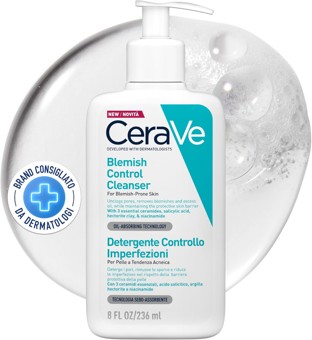
CeraVe Blemish Control Cleanser
Check latest details on Amazon UK
CeraVe Blemish Control Cleanser lists 2% salicylic acid alongside ceramides and niacinamide in a rinse-off cleanser. Compared with the other options here, its distinguishing feature is the combination of a disclosed 2% acid level with supporting ingredients commonly associated with the wider CeraVe formula approach.
Compare for: a 2% rinse-off cleanser that also includes ceramides and niacinamide. Compare against: The INKEY List if you want another disclosed 2% option with a simpler supporting ingredient profile.
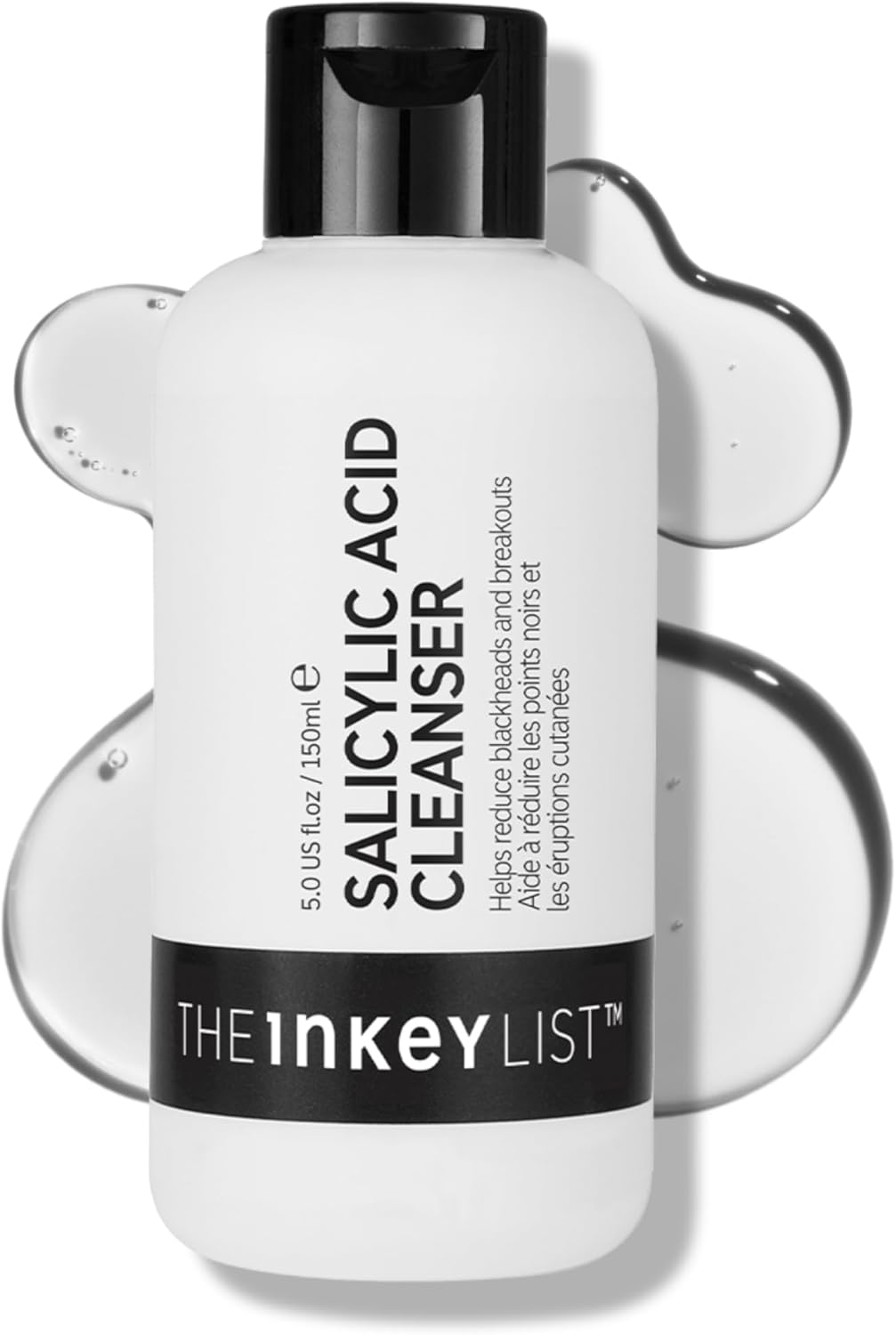
The INKEY List 2% Salicylic Acid Cleanser
Check latest details on Amazon UK
The INKEY List cleanser also lists 2% salicylic acid, but pairs it with allantoin rather than the ceramide and niacinamide combination used by CeraVe. That makes the useful comparison here less about headline acid percentage and more about the surrounding formula and preferred brand format.
Compare for: a disclosed 2% salicylic acid rinse-off cleanser with allantoin. Compare against: CeraVe when deciding whether the additional ceramides and niacinamide matter to your routine.
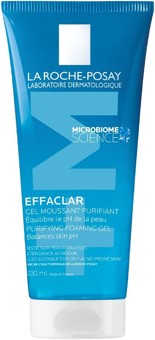
La Roche-Posay Effaclar Purifying Foaming Gel Cleanser
Check latest details on Amazon UK
La Roche-Posay Effaclar is the clearest format outlier in this comparison because it is positioned as a pharmacy brand foaming gel and pairs salicylic acid with zinc pidolate. The product information used for this guide does not give it the same simple 2% comparison point as CeraVe or The INKEY List, so it should not be ranked against them on percentage alone.
Compare for: a foaming gel format with salicylic acid and zinc pidolate. Compare against: the disclosed 2% options if acid percentage is one of your main decision points.
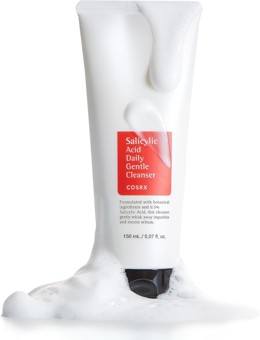
COSRX Salicylic Acid Daily Gentle Cleanser
Check latest details on Amazon UK
COSRX is the lower listed concentration option in this set at 0.5% BHA. That makes it a genuinely different comparison rather than another variation on a 2% cleanser. The useful question is whether you want a lower listed acid concentration in a rinse-off format, not whether the product is universally milder for every user.
Compare for: a lower listed BHA concentration in a rinse-off cleanser. Compare against: the 2% CeraVe and INKEY List options if listed strength is central to your choice.
Foaming vs non foaming salicylic acid cleansers
Foaming describes the cleanser texture and rinse feel rather than the salicylic acid strength. A foaming gel may suit shoppers who prefer a lighter, more lathered cleanse, while a non foaming cleanser can be worth comparing if you prefer a creamier or lower lather format.
The products on this page are compared by their current listed format and ingredients. If you are specifically looking for a non foaming salicylic acid cleanser, check the latest product description on Amazon UK before buying because formulas and listing wording can change.
Side by Side Comparison
| Product | Format | Key label detail | Useful difference | Check |
|---|---|---|---|---|
| CeraVe Blemish Control Cleanser | Rinse-off cleanser, 236ml | 2% salicylic acid + ceramides + niacinamide | Disclosed 2% acid with a broader supporting ingredient mix | Check latest details on Amazon UK |
| The INKEY List 2% Salicylic Acid Cleanser | Rinse-off cleanser, 150ml | 2% salicylic acid + allantoin | Same disclosed acid level as CeraVe with a different supporting formula | Check latest details on Amazon UK |
| La Roche-Posay Effaclar Purifying Foaming Gel Cleanser | Foaming gel cleanser, 200ml | Salicylic acid + zinc pidolate | Foaming pharmacy brand format without the same simple 2% comparison point | Check latest details on Amazon UK |
| COSRX Salicylic Acid Daily Gentle Cleanser | Rinse-off cleanser, 150ml | 0.5% BHA, deep cleansing positioning | Lower listed BHA concentration than the two disclosed 2% options | Check latest details on Amazon UK |
What Salicylic Acid Cleanser Products Are
Salicylic acid is a BHA, or beta hydroxy acid. In a cleanser it is used in a rinse-off format rather than left on the skin, so a cleanser should not automatically be treated as equivalent to a leave-on BHA toner or serum with the same headline percentage.
For shopping purposes, the most useful comparison points are the listed concentration where disclosed, the cleanser format, the surrounding ingredients and whether another exfoliating step already exists in your routine.
Strength and Formula Notes
Listed concentration: this guide includes products with disclosed figures from 0.5% to 2%, plus a formula where salicylic acid is listed without the same simple percentage comparison. A higher listed number is not, by itself, proof that a cleanser will be a better fit for every routine.
Rinse-off format: cleanser contact time differs from a leave-on acid product. That is why we compare these as cleansers first and avoid treating a percentage as though it tells the whole story.
Supporting ingredients: the four products separate clearly here. CeraVe adds ceramides and niacinamide, The INKEY List adds allantoin, La Roche-Posay includes zinc pidolate and COSRX is differentiated most clearly by its lower listed BHA concentration.
How to Compare Before Buying
If listed percentage matters most: CeraVe and The INKEY List both provide a straightforward 2% comparison, while COSRX is the lower listed 0.5% BHA option in this set.
If formula context matters most: compare the ingredients surrounding the acid. Two cleansers can carry the same headline 2% figure while still offering different supporting formulas.
If texture matters most: La Roche-Posay is the clearest foaming gel choice in the group. Format can be as important as concentration if you already know what kind of cleanser texture you prefer.
If you already use exfoliating products: check whether adding a salicylic acid cleanser duplicates another acid step. More exfoliation is not automatically a better routine.
Routine Fit and Tolerance Notes
Salicylic acid cleansers are commonly considered in oilier feeling or congestion prone routines, but that does not make one formula suitable for everyone. If your skin is dry feeling, reactive or already using other exfoliating products, the surrounding routine matters.
Follow the current product label and brand directions. If a cleanser feels persistently uncomfortable, drying or irritating, stop treating the shopping comparison as the deciding factor and reassess the routine.
If you have persistent or painful acne, significant irritation, scarring or another skin concern that needs individual assessment, use an appropriate pharmacist, GP or dermatologist route. See our skincare safety and sources policy.
Before You Buy
The strongest differences in this four product set are straightforward: CeraVe and The INKEY List both disclose 2% salicylic acid but use different supporting ingredients, COSRX provides the lower listed BHA concentration, and La Roche-Posay stands apart as the foaming gel option with zinc pidolate.
Use those differences to narrow the shortlist, then confirm the current ingredient list, directions, packaging and any warnings on the product you are actually buying. Formulations and listings can change.
Frequently Asked Questions
Is a 2% salicylic acid cleanser automatically better than a 0.5% cleanser?
No. The listed percentage is one useful comparison point, but cleanser format, supporting ingredients, frequency of use and the rest of the routine also matter. A rinse-off cleanser should not be judged on the percentage alone.
How do salicylic acid cleansers compare with leave-on BHA products?
A cleanser is rinsed away, while a leave-on toner or serum remains on the skin. That difference in format and contact time means two products with similar headline acid percentages are not directly interchangeable.
Can I use a salicylic acid cleanser with other exfoliating products?
Check whether the new cleanser would duplicate an existing exfoliating step and follow the current brand guidance. If your routine already includes acids or retinoids, adding another active step is not automatically useful.
Which two cleansers are the closest comparison in this guide?
CeraVe Blemish Control Cleanser and The INKEY List 2% Salicylic Acid Cleanser are the most direct pair because both disclose 2% salicylic acid. Their useful difference is the supporting formula around that shared headline percentage.
Is The Ordinary Salicylic Acid Cleanser included in this guide?
The Ordinary Salicylic Acid Cleanser is not currently featured as a product card here. The Ordinary vs The INKEY List Salicylic Acid Cleansers comparison covers those two brands side by side.