Buying Guide
Best Cleansers for Blemish Prone Skin UK
Skin prone to blemishes is common and something UK shoppers manage with routine choices. Cleansers for this skin type come in several formats, each with a different texture and feel during and after use. Below are seven options readers with skin prone to blemishes can compare by routine fit and preference. The product cards link to Amazon UK for current details.
Products compared
Bioderma Sebium Foaming Gel is a soap free gel cleanser from a pharmacy brand, positioned for combination, oily and blemish prone skin. It is designed to cleanse the skin surface and remove daily oil and residue without over stripping.
Check current listing details on Amazon UK
Compare for: lightweight gel format for combination, oily and blemish prone skin routines, compared by texture, rinse feel and listed ingredients.
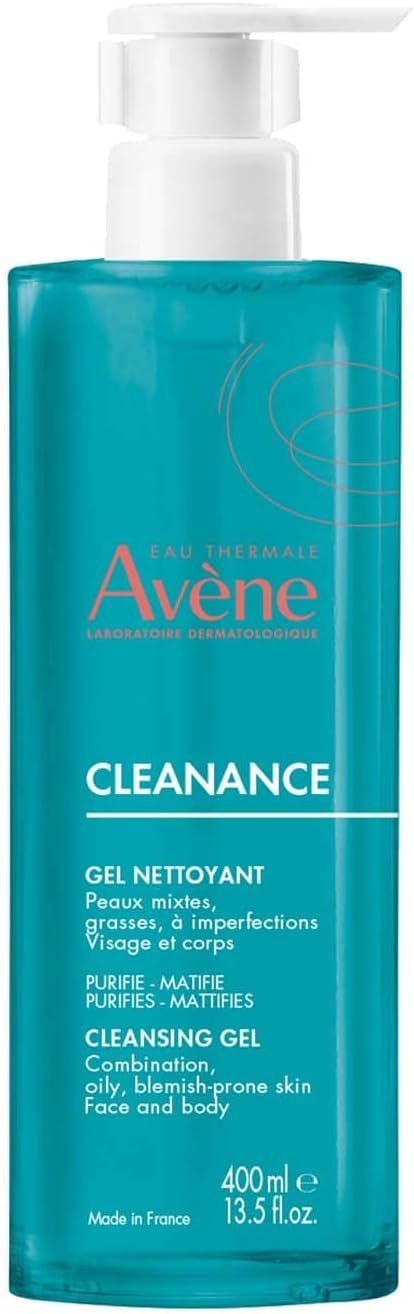
Avène Cleanance Cleansing Gel is a soap free gel cleanser from a pharmacy brand. It is formulated for skin that appears shiny or congested looking. Compare the current size, format and ingredient details on Amazon UK, as formulations can vary by product version.
Check current listing details on Amazon UK
Compare for: mattifying gel format for skin that appears shiny or congested, compared by texture, fragrance status and listed ingredients.
CeraVe Foaming Facial Cleanser
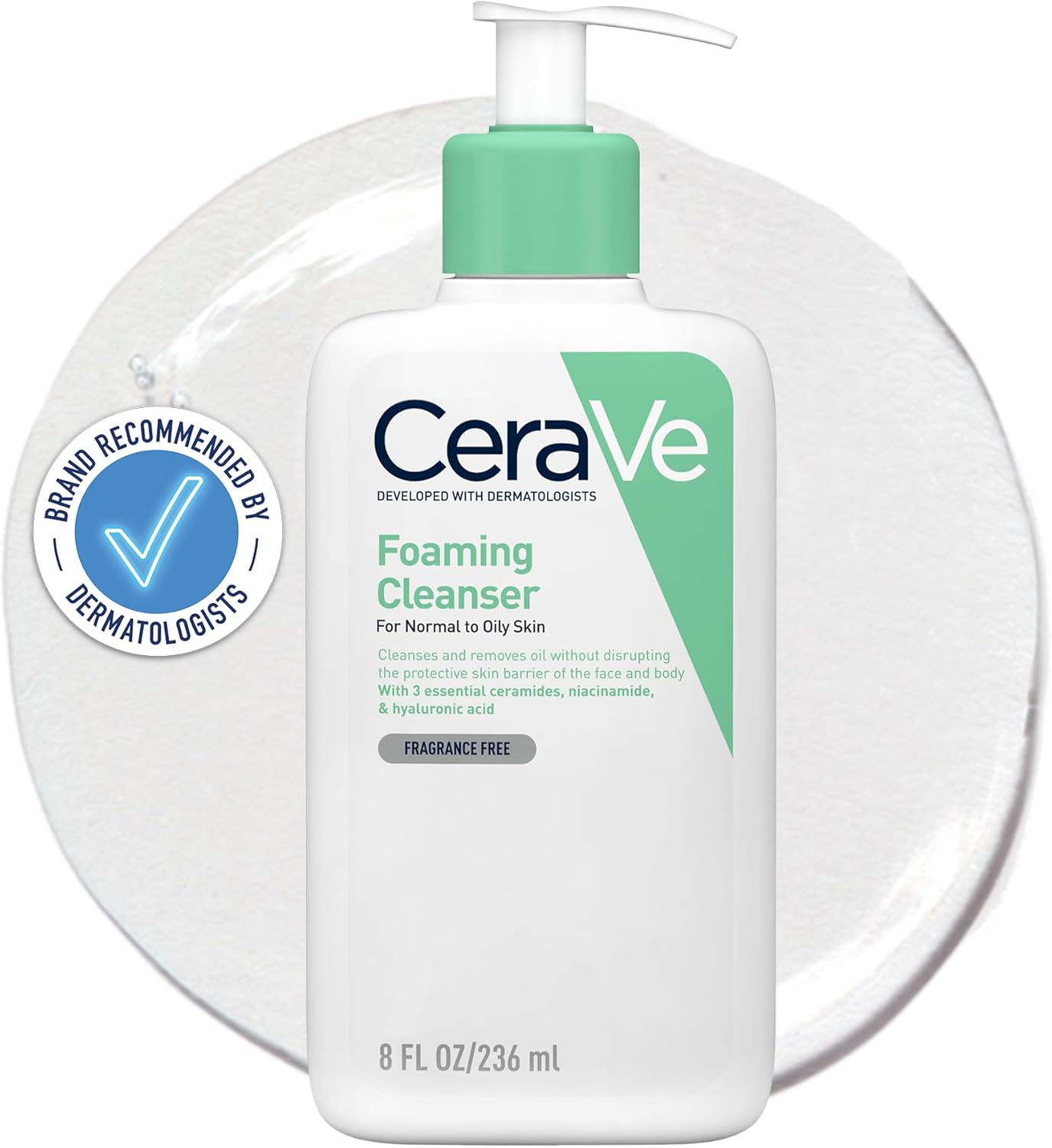
CeraVe Foaming Facial Cleanser is a foaming cleanser with niacinamide and ceramides, positioned for normal to oily skin. The formula is fragrance free and includes a gentle surfactant system.
Check current listing details on Amazon UK
Compare for: fragrance free foaming format with niacinamide and ceramides, compared by texture, fragrance status and listed ingredients.
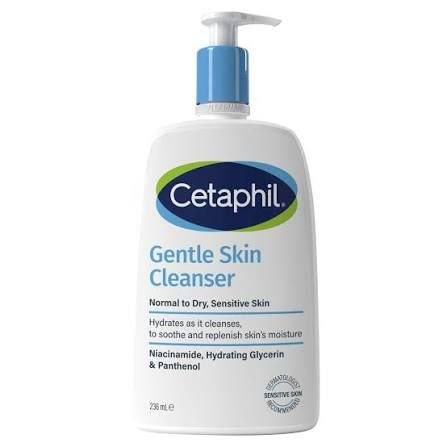
Cetaphil Gentle Skin Cleanser is a fragrance free gentle cleanser with glycerin and niacinamide. It is positioned for sensitive skin and can be compared by readers whose skin feels easily irritated or stripped by stronger formulas.
Check current listing details on Amazon UK
Compare for: gentle cream cleanser with glycerin and niacinamide, compared by texture, fragrance status and how conditioning the formula feels.
Cetaphil Gentle Clear Clarifying Cleanser
Cetaphil Gentle Clear Clarifying Cleanser is a gel based cleanser containing 2% salicylic acid and aloe vera, positioned for blemish prone and sensitive skin. Salicylic acid is a BHA ingredient sometimes discussed in blemish prone routines. Compare the current size, format and instructions on Amazon UK, particularly if using around the eye area.
Check current listing details on Amazon UK
Compare for: gel cleanser with 2% salicylic acid and aloe vera, compared by listed percentage, texture and whether it suits sensitive or blemish prone skin routines.
Avène Cleanance Micellar Water
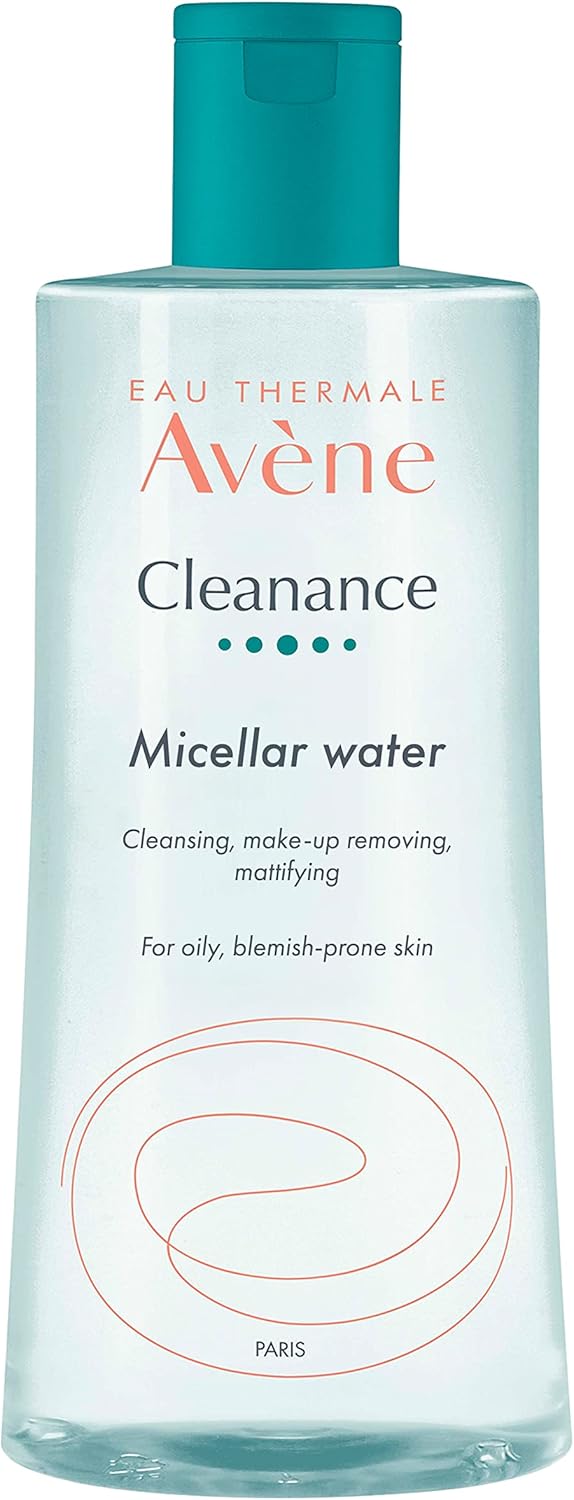
Avène Cleanance Micellar Water is a micellar water product applied with a cotton pad, positioned for blemish prone skin. It requires no rinsing. It can be compared for a morning routine or a light evening cleanse.
Check current listing details on Amazon UK
Compare for: no rinse micellar format for morning or light evening cleansing, compared by pad size, application method and listed ingredients.
Avène Extremely Gentle Cleanser
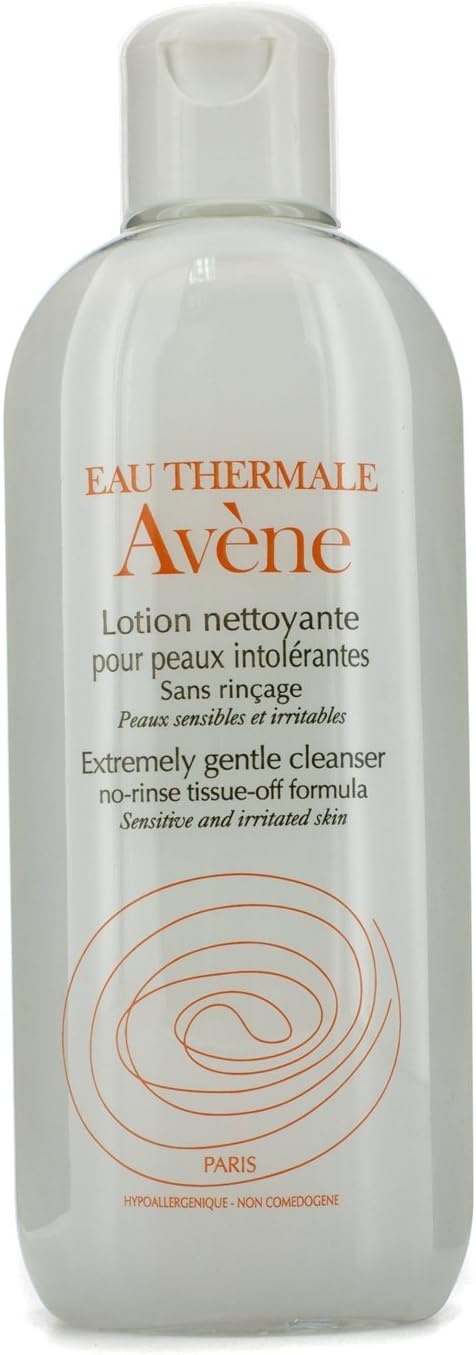
Avène Extremely Gentle Cleanser is a gentle lotion format cleanser positioned for sensitive and reactive skin. It is fragrance free and soap free. It can be compared for readers whose skin feels easily irritated, dry or stripped.
Check current listing details on Amazon UK
Compare for: gentle lotion cleanser for easily irritated or reactive skin, compared by texture, fragrance status and how conditioning the formula feels.
Comparison at a glance
| Product | Format | Skin feel | Compare for | Check |
|---|---|---|---|---|
| Bioderma Sebium Foaming Gel | Gel cleanser | Lightweight, clean rinse | Combination, oily and blemish prone skin | Check current size and fragrance status |
| Avène Cleanance Cleansing Gel | Gel cleanser | Mattifying, lightweight | Oily and blemish prone skin | Check fragrance status and full ingredients |
| CeraVe Foaming Facial Cleanser | Foaming cleanser | Foamy lather, clean finish | Normal to oily and blemish prone skin | Check current size and full ingredients |
| Cetaphil Gentle Skin Cleanser | Gentle cream cleanser | Softer, less stripping | Skin that feels easily irritated or stripped | Check current size and full ingredients |
| Cetaphil Gentle Clear Clarifying Cleanser | Gel cleanser with salicylic acid | Lightweight, active ingredient | Routines that include salicylic acid for blemish prone skin | Check instructions for eye area use |
| Avène Cleanance Micellar Water | Micellar water | No rinse, pad applied | Morning routine or light evening cleanse | Check current size and full instructions |
| Avène Extremely Gentle Cleanser | Gentle lotion cleanser | Soft, conditioning feel | Skin that feels easily irritated or reactive | Check current size and full instructions |
What is skin prone to blemishes?
Skin prone to blemishes is skin that is prone to occasional or recurring spots, blackheads, whiteheads or a congested looking texture. It is not a medical diagnosis, and the experience varies widely from person to person. Some people have oily or combination skin with occasional breakouts; others have skin that reacts to specific products or routine changes. The term covers a broad range of skin experiences, from mild and occasional to more persistent.
A cleanser for skin prone to blemishes helps remove daily oil, sunscreen and residue from the skin surface. It is not a treatment for persistent breakouts or cystic spots, and it does not address underlying causes. If breakouts are frequent, painful or persistent, a GP or dermatologist can advise on appropriate options.
For readers who want to understand product categories commonly discussed for skin prone to blemishes, the guide to blemish prone skin covers ingredient options and routine structure.
How these cleansers compare
The seven cleansers in this guide cover four main formats: gel cleansers, foaming cleansers, micellar waters and gentle lotion cleansers. Some are formulated for oily or combination skin; others are gentler and suited to skin that feels easily irritated or stripped by stronger surfactant formulas.
The products span pharmacy style brands, mainstream accessible options and everyday cleanser formats. The product cards link to Amazon UK for current details.
What to look for in a cleanser for skin prone to blemishes
Format preference: gel cleansers tend to feel lighter and rinse away cleanly. Foaming cleansers produce a lather and can feel more thorough. Micellar waters require no rinsing and can suit a morning routine or a no rinse preference. Gentle lotion cleansers rinse off with water and tend to feel softer during and after use.
Skin feel during and after cleansing: some cleansers leave the skin feeling clean and bare; others leave a softer, more conditioning feel. If your skin tends to feel tight after cleansing, a gentler option may be easier to compare.
Fragrance: some cleansers contain added fragrance or plant derived fragrance ingredients. If your skin is easily unsettled by fragrance, a fragrance free option is available for readers who prefer no added fragrance.
Active ingredients: Some cleansers include active ingredients such as salicylic acid. Compare these by contact time, formula and skin tolerance.
Barrier friendliness: cleansers that include ingredients such as ceramides, niacinamide or glycerin may feel less stripping on the skin barrier. This can be relevant for readers whose skin feels easily irritated or reactive.
Evening use and SPF: if you wear SPF or heavy makeup in the evening, check whether a cleanser is sufficient on its own or whether a two step cleanse is more appropriate before choosing.
Cleanser formats for skin prone to blemishes
Choosing between cleanser formats comes down to texture preference, routine structure and skin feel and tolerance. Here is a brief overview of how the main formats compare for routines where skin prone to blemishes is a factor:
Gel cleansers are water based and rinse off with water. They tend to feel lightweight and leave a clean, bare finish. Bioderma and Avène Cleanance are the gel cleanser options in this guide.
Foaming cleansers produce a lather when worked with water. They can feel more thorough on oily skin. CeraVe Foaming Facial Cleanser is a foaming option in this guide.
Micellar waters require no rinsing and are applied with a cotton pad. They suit a morning routine or a light cleanse when water is not available. Avène Cleanance Micellar Water is the micellar option in this guide.
Gentle lotion cleansers have a softer texture and tend to feel less stripping than gel or foam based alternatives. They are still rinse off products but leave a softer post cleanse feel. Avène Extremely Gentle Cleanser represents this format in this guide.
For a full comparison of gel cleanser options, see the best gel cleansers guide. For micellar water options, see the best micellar water guide.
Ingredient notes: salicylic acid in cleansers
Salicylic acid is a BHA (beta hydroxy acid) ingredient commonly discussed in skincare routines for skin prone to blemishes. In rinse off cleansers, contact time is brief, so expectations for how it performs should be modest.
Cetaphil Gentle Clear Clarifying Cleanser contains 2% salicylic acid and is one option in this guide for readers who want a cleanser that includes this ingredient. For a deeper comparison of salicylic acid cleansers and how the ingredient works in this format, see the salicylic acid cleanser guide.
Salicylic acid cleansers are not a treatment for persistent breakouts. If breakouts are frequent, painful or persistent, a GP or dermatologist can advise on appropriate options.
Before you buy
These cleansers are compared as individual product listings. Compare them by skin feel, routine step and whether you need a gentle everyday option or a cleanser that includes a specific active ingredient. The product cards link to Amazon UK for current details.
The Cleanser Basket Builder can help compare cleanser formats by texture, rinse feel and routine step. For readers building a broader blemish prone routine, spot treatments such as pimple patches are another product category readers can compare alongside a suitable cleanser. Serums such as azelaic acid or niacinamide are commonly discussed in blemish prone routines alongside a compatible cleanser.
For a deeper look at salicylic acid cleansers specifically, see the salicylic acid cleanser guide. For more gel cleanser options beyond this list, see the best gel cleansers guide. For micellar water options, see the best micellar water guide.
Frequently asked questions
Can a cleanser help with skin prone to blemishes?
A cleanser removes surface oil, sunscreen and residue. It should not be framed as a treatment for persistent breakouts. Compare cleanser format, texture and tolerance as part of the wider routine. If breakouts are persistent or severe, a GP or dermatologist is the appropriate first step.
Should I use a gentle cleanser if I have skin prone to blemishes?
It depends on your skin feel and tolerance. Some people with skin prone to blemishes do well with a gentle cleanser that does not strip the skin barrier. Others prefer a more thorough cleanse if their skin feels greasy. If your skin feels tight, sore or reactive after cleansing, a gentler option may be easier to compare.
How often should I cleanse skin prone to blemishes?
Most routines cleanse twice daily: once in the morning and once in the evening. Over cleansing can strip the skin barrier and make skin prone to blemishes feel worse rather than better. If your skin feels very dry or tight after cleansing, reducing to once daily may be a practical next step.
Do I need a two step cleanse for skin prone to blemishes?
It depends on what else is in your routine. If you wear SPF or heavy makeup, a single water based cleanser may not remove everything. In that case, a balm or oil first cleanse followed by a water based second cleanse may be more thorough. If you do not wear SPF or makeup, a single cleanser is usually sufficient.
Can I use a salicylic acid cleanser every day?
It depends on your skin tolerance. Using a salicylic acid cleanser every day can be drying for some people, particularly if combined with other active ingredients. Starting slowly and judging texture and tolerance is generally the better starting point.
General skincare information: The information on this page is for general informational purposes only. Skincare products and formulations can affect people differently. If you have specific skin concerns or conditions, speak with a GP, pharmacist, dermatologist, midwife or qualified prescriber before introducing new products into your routine.
Pregnancy and breastfeeding: If you are pregnant or breastfeeding, speak with a GP, pharmacist, dermatologist, midwife or qualified prescriber before using any new skincare products. Some ingredients may need extra caution during pregnancy or while breastfeeding.
Prescription skincare: If you are using prescription skincare products, speak with your prescribing clinician before adding new cleansers or other products to your routine.
Diagnosed skin conditions: If you have a diagnosed skin condition, speak with a GP, pharmacist, dermatologist, midwife or qualified prescriber before trying new products.
More cleanser guides
Compare cleanser formats, textures and routine fit across the Skincare Lab UK cleanser guides.