Buying Guide
Best Cleansing Oils UK
A UK guide comparing cleansing oil formats by texture, fragrance note, bottle size and evening routine fit.
Products compared
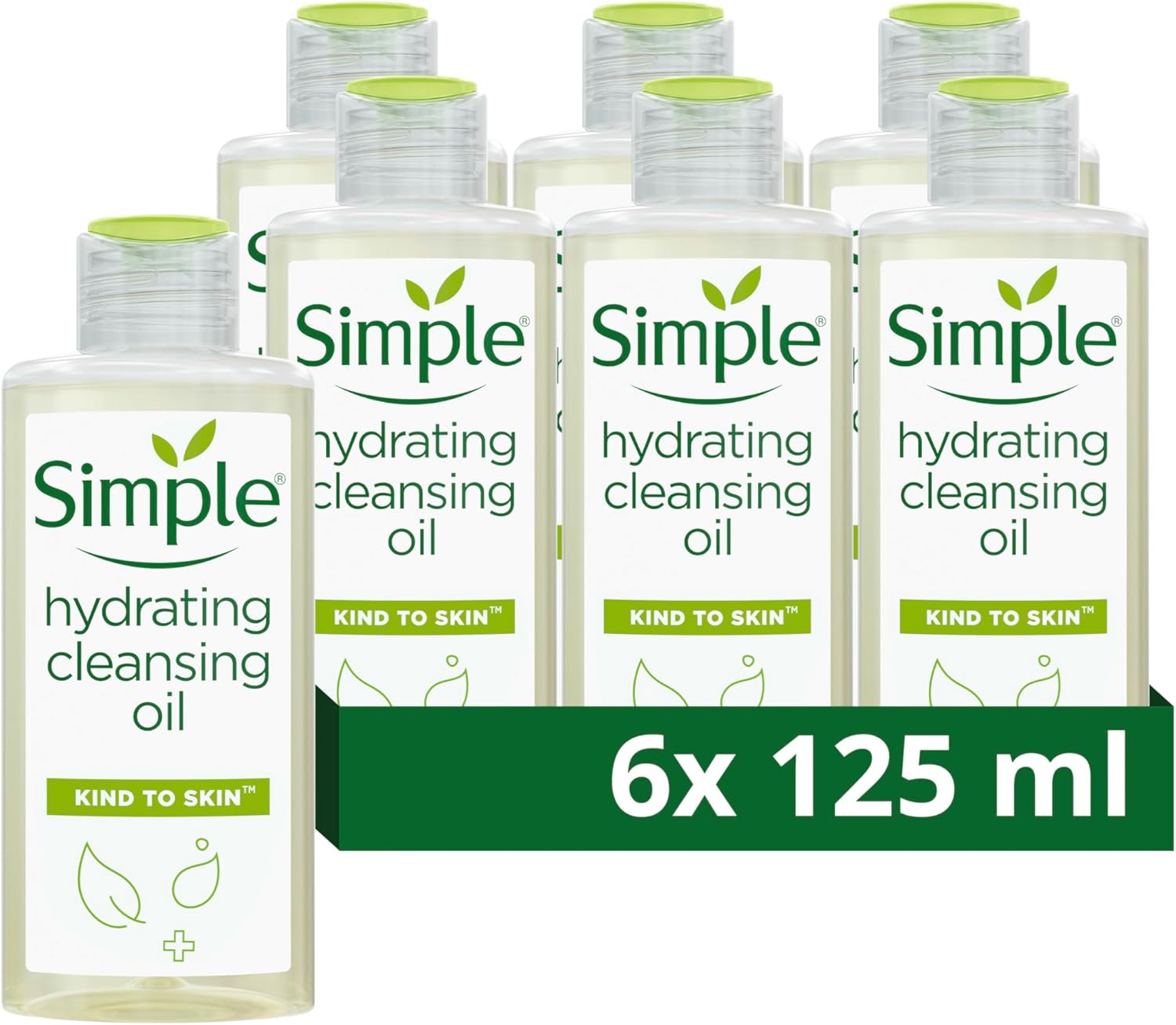
Simple Kind to Skin Hydrating Cleansing Oil
Simple is a well established UK skincare brand. This cleansing oil uses a grapeseed oil base and is marketed for face use.
Check current listing details on Amazon UK
Compare for: you prefer a familiar UK brand with a pourable cleansing oil format.
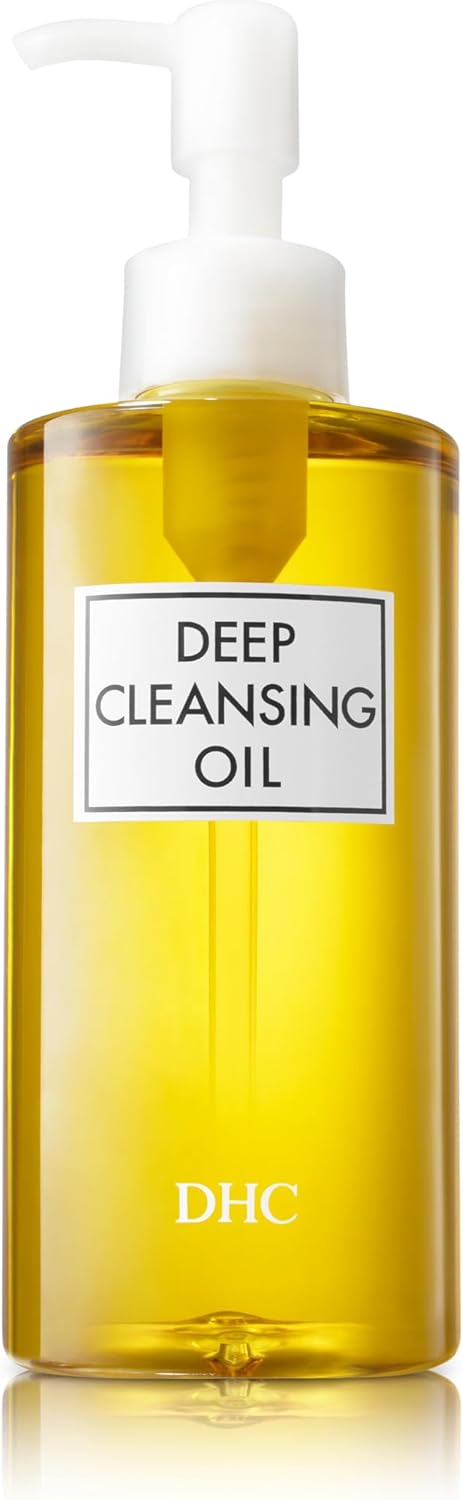
DHC Deep Cleansing Oil
DHC is a Japanese skincare brand. This cleansing oil uses an olive oil base and is marketed for face use. The pourable format applies directly to dry skin and emulsifies with water before rinsing.
Check current listing details on Amazon UK
Compare for: you prefer a pourable olive oil base in a 200ml bottle for evening first cleanse routines.
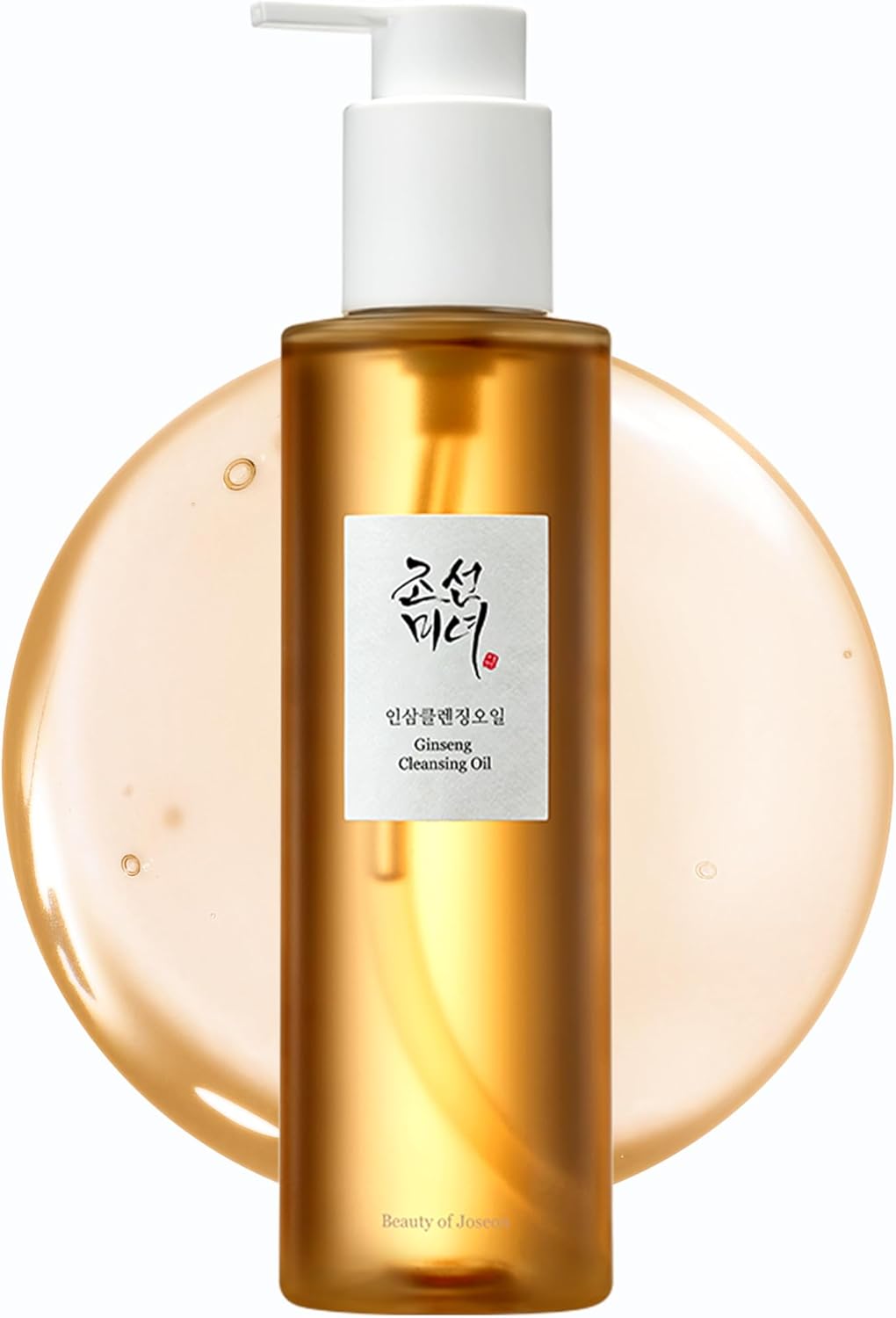
Beauty of Joseon Ginseng Cleansing Oil
Beauty of Joseon is a K beauty brand. This cleansing oil uses a ginseng and glycine soja (soybean) oil base in a pourable format. The 210ml bottle size gives a clear comparison point across the options in this guide.
Check current listing details on Amazon UK
Compare for: you prefer a K beauty cleansing oil with a ginseng and soybean oil base in a 210ml bottle.
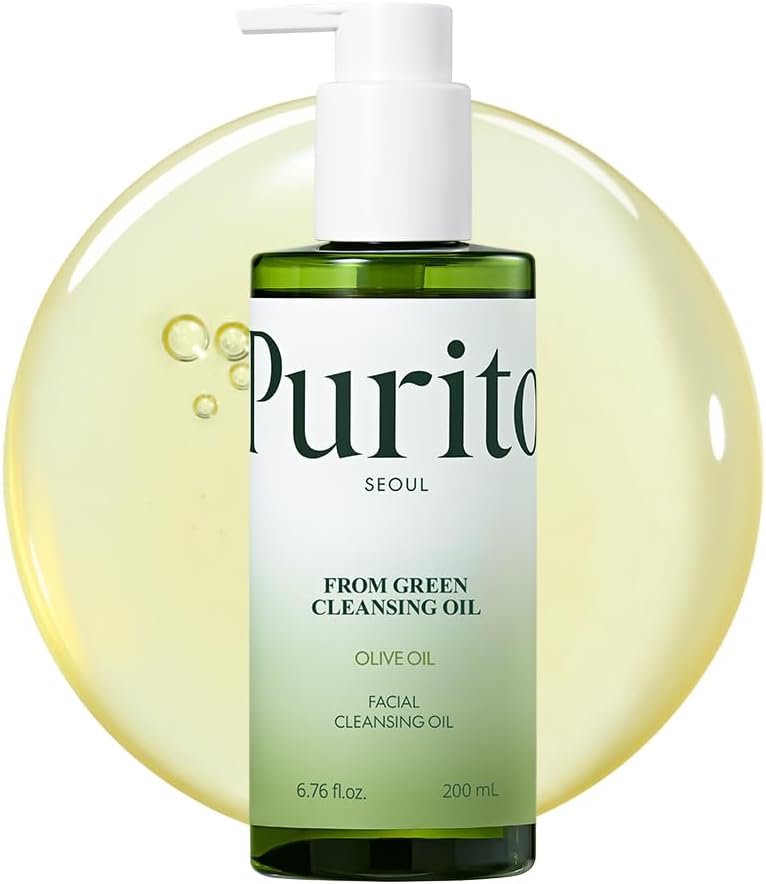
PURITO From Green Cleansing Oil
PURITO is a K beauty brand. This cleansing oil is marketed as fragrance free, cruelty free and vegan, with nature derived oils in the formulation. The 200ml bottle size is consistent with the larger options in this guide.
Check current listing details on Amazon UK
Compare for: you prefer a fragrance free K beauty cleansing oil in a 200ml bottle.
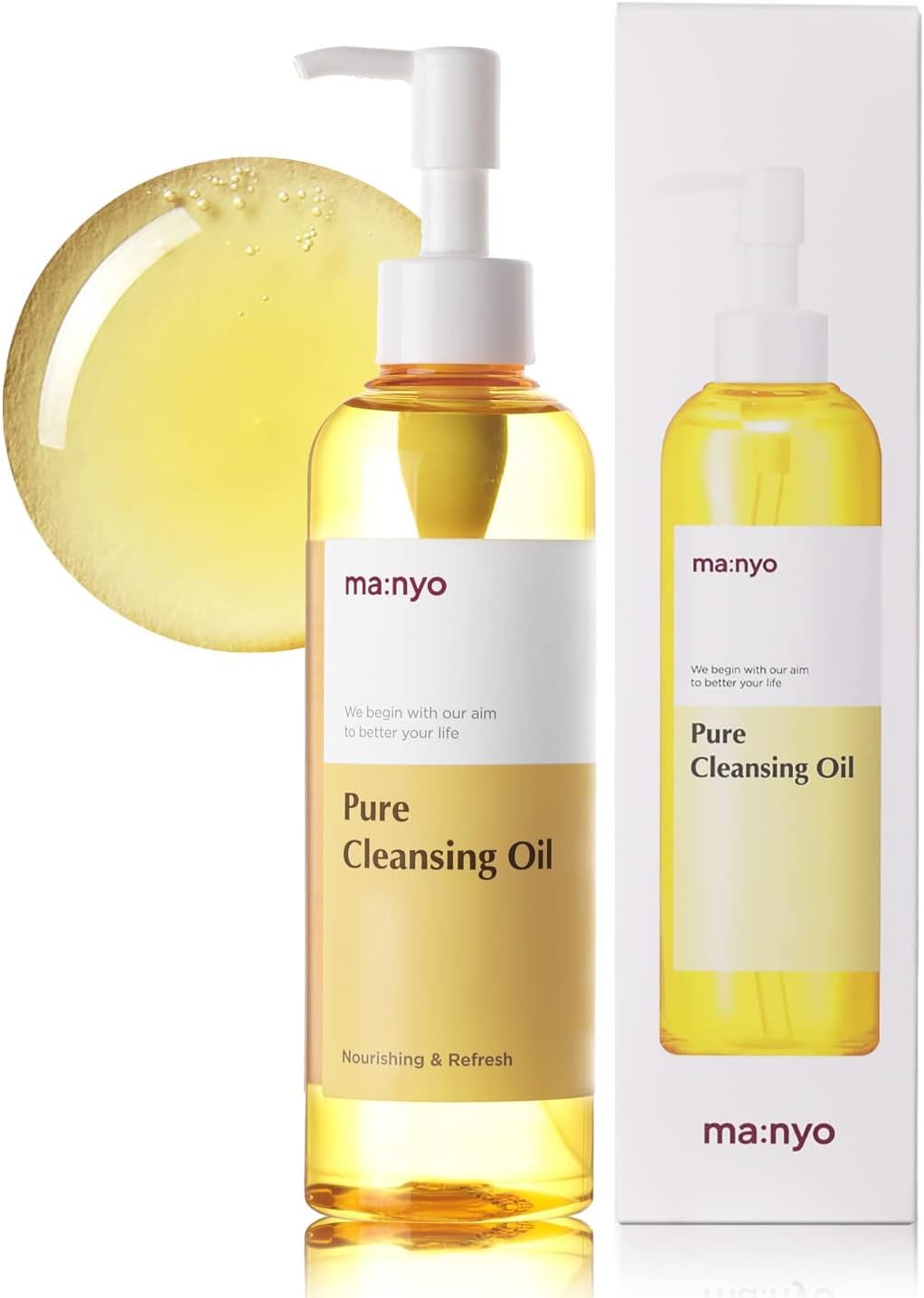
MANYO Factory Pure Cleansing Oil
MANYO (ma:nyo) is a K beauty brand. This cleansing oil uses an argan oil and 14 plant oil formulation in a pourable format. The richer plant oil formulation gives a clear comparison point for texture across the options in this guide.
Check current listing details on Amazon UK
Compare for: you prefer a K beauty cleansing oil with a 14 plant oil formulation in a 200ml bottle.
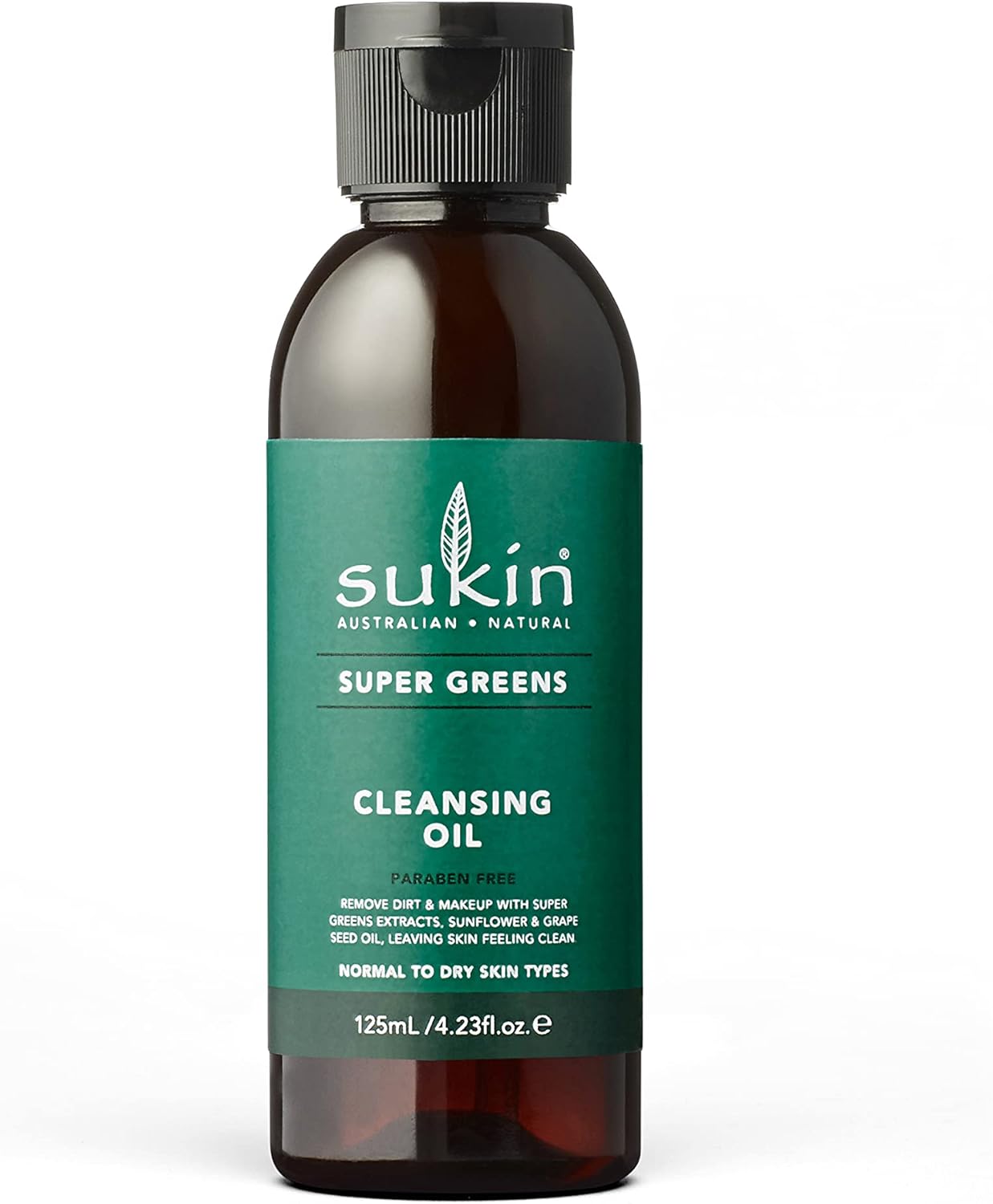
Sukin Super Greens Facial Cleansing Oil
Sukin is an Australian skincare brand. This cleansing oil uses a sunflower and grapeseed oil base in a pourable format and is marketed as cruelty free and vegan. Note that botanical ingredient listings may carry a light natural scent.
Check current listing details on Amazon UK
Compare for: you prefer a botanical oil base cleansing oil in a smaller 125ml bottle.
Comparison at a glance
| Product | Format | Size | Fragrance note | Key ingredient |
|---|---|---|---|---|
| Simple Kind to Skin Hydrating Cleansing Oil | Cleansing oil | 125ml | Check listing | Grapeseed oil |
| DHC Deep Cleansing Oil | Cleansing oil | 200ml | Check listing | Olive oil |
| Beauty of Joseon Ginseng Cleansing Oil | Cleansing oil | 210ml | Check listing | Ginseng and soybean oil |
| PURITO From Green Cleansing Oil | Cleansing oil | 200ml | Fragrance free | Nature derived oils |
| MANYO Factory Pure Cleansing Oil | Cleansing oil | 200ml | Check listing | 14 plant oil formulation |
| Sukin Super Greens Facial Cleansing Oil | Cleansing oil | 125ml | Check listing (botanical oils) | Sunflower and grapeseed oil |
What is a cleansing oil
A cleansing oil is a liquid oil format used as a first cleanse step in an evening skincare routine. Unlike a balm, which is solid at room temperature, a cleansing oil pours directly from the bottle onto dry hands and skin. The oil binds to oils on the skin surface, including makeup, sebum and SPF residue, and is then emulsified with water before rinsing.
Cleansing oils are one of several first cleanse formats available to UK shoppers. Comparing how they differ from cleansing balms, micellar waters and cream cleansers can help you decide which format to compare.
Cleansing oil compared to balm, micellar and cream formats
Cleansing oil vs cleansing balm
Both cleansing oils and cleansing balms are oil based first cleanse formats. The main difference is texture at room temperature. Balms are solid and turn into an oil like consistency on contact with skin. Cleansing oils pour immediately from the bottle. Some people find oils easier to spread across the face, while others prefer the more controlled application of a balm.
For a full comparison of the two formats, see our Cleansing Oil vs Cleansing Balm UK guide.
Cleansing oil vs micellar water
Micellar water uses tiny oil molecules suspended in soft water and is typically applied with a cotton pad. It may or may not require rinsing, depending on the product label. Cleansing oil always requires rinsing and is applied with hands rather than a pad. Micellar water tends toward a no rinse routine, while cleansing oil is designed as a rinse off first cleanse step.
Cleansing oil vs cream cleanser
A cream cleanser is a thicker, more emollient water based format. It does not require the same two step emulsification process as a cleansing oil. Some people use a cream cleanser as a single cleanser in the evening, while others use it as a second cleanse after an oil or balm. Comparing both formats in the context of your routine can help you decide which to prioritise.
Where cleansing oil fits in a routine
A cleansing oil is typically used as a first cleanse step in the evening, before a water based second cleanser. It is applied to dry skin, massaged across the face and then emulsified with water before rinsing.
When to compare a cleansing oil
You may prefer a cleansing oil format if you wear makeup, SPF or both during the day, and want a pourable first cleanse step. The pourable texture spreads easily across the face without the initial warming required for a balm.
When to compare another format
If you prefer a solid to oil format or want to apply the product more precisely, a cleansing balm is another option. If you prefer a no rinse style cleanser, a micellar water may be more relevant. If you prefer a single cleanser without a two step approach, a cream or gel cleanser may be a more suitable comparison.
Checking the product label
Always check the product label and brand guidance before using a new cleansing oil. This is particularly important for fragrance details, directions for use and whether the product is suitable for eye area use.
Patch testing
As with any new skincare product, patch testing on a small area of skin before applying across your full face is a practical step to take.
Before you buy
Cleansing oils are pourable oil based first cleanse formats designed for evening use. Comparing their texture, base oil, bottle size and fragrance profile can help you decide which option to compare.
Compare Simple Kind to Skin Hydrating Cleansing Oil for a familiar UK straightforward pourable cleansing oil in a 125ml bottle. Compare DHC Deep Cleansing Oil for a pourable olive oil base in a 200ml bottle. Compare Beauty of Joseon Ginseng Cleansing Oil for a K beauty option with a ginseng and soybean oil base in a 210ml bottle. Compare PURITO From Green Cleansing Oil for a fragrance free K beauty option in a 200ml bottle. Compare MANYO Factory Pure Cleansing Oil for a K beauty option with a richer plant oil formulation in a 200ml bottle. Compare Sukin Super Greens Facial Cleansing Oil for a botanical sunflower and grapeseed oil base in a smaller 125ml bottle.
Check the current Amazon UK listing for all products, particularly fragrance notes and directions, as listing details can vary between sellers.
For a full comparison between cleansing oils and cleansing balms, see the Cleansing Oil vs Cleansing Balm UK guide. For evening SPF removal routines specifically, the Best Cleansers After Sunscreen UK guide covers all first cleanse formats in that context. You can also use the Cleanser Basket Builder to compare formats by routine step and texture preference.
Frequently Asked Questions
What does a cleansing oil do?
A cleansing oil is an oil based liquid format designed to bind to oils on the skin surface, including sebum, makeup and SPF residue. It is applied to dry skin, massaged in and then emulsified with water before rinsing. It is typically used as a first cleanse step in an evening routine.
Do I need a cleansing oil if I already use a cleansing balm?
No. Both cleansing oils and cleansing balms serve the same first cleanse purpose. The difference is texture at room temperature. If a balm already works well for your routine, adding an oil cleanser is not necessary. Comparing both formats can help you decide which texture you prefer, but having both is not required.
Can I use a cleansing oil if I do not wear makeup?
Yes. Cleansing oils can be used to cleanse the skin surface even without makeup, particularly in the evening after wearing SPF. The oil binds to sebum and SPF residue as well as makeup. If your skin feels comfortable after a single gentle cleanse, a cleansing oil is not required.
Should I use a second cleanser after a cleansing oil?
Most cleansing oil routines include a second water based cleanser after the oil cleanse. This helps ensure any remaining emulsified oil is rinsed from the skin. If you prefer a single cleanser approach, comparing a cream or gel cleanser may be more relevant to your routine.
Can cleansing oils remove waterproof SPF?
Cleansing oils are designed to bind to oils and residues on the skin surface. How effectively any specific product performs on waterproof SPF will depend on the SPF formulation and how long it has been on the skin. Checking the product label for specific guidance on SPF removal is a practical step before relying on any single cleanser for this purpose.
More cleanser guides
Compare cleanser formats, textures and routine fit across the Skincare Lab UK cleanser guides.